
Parent Categories


Related Products



Related Books


What Does Not Kill Me: What Friedrich Nietzsche Actually Meant
 Friedrich Nietzsche
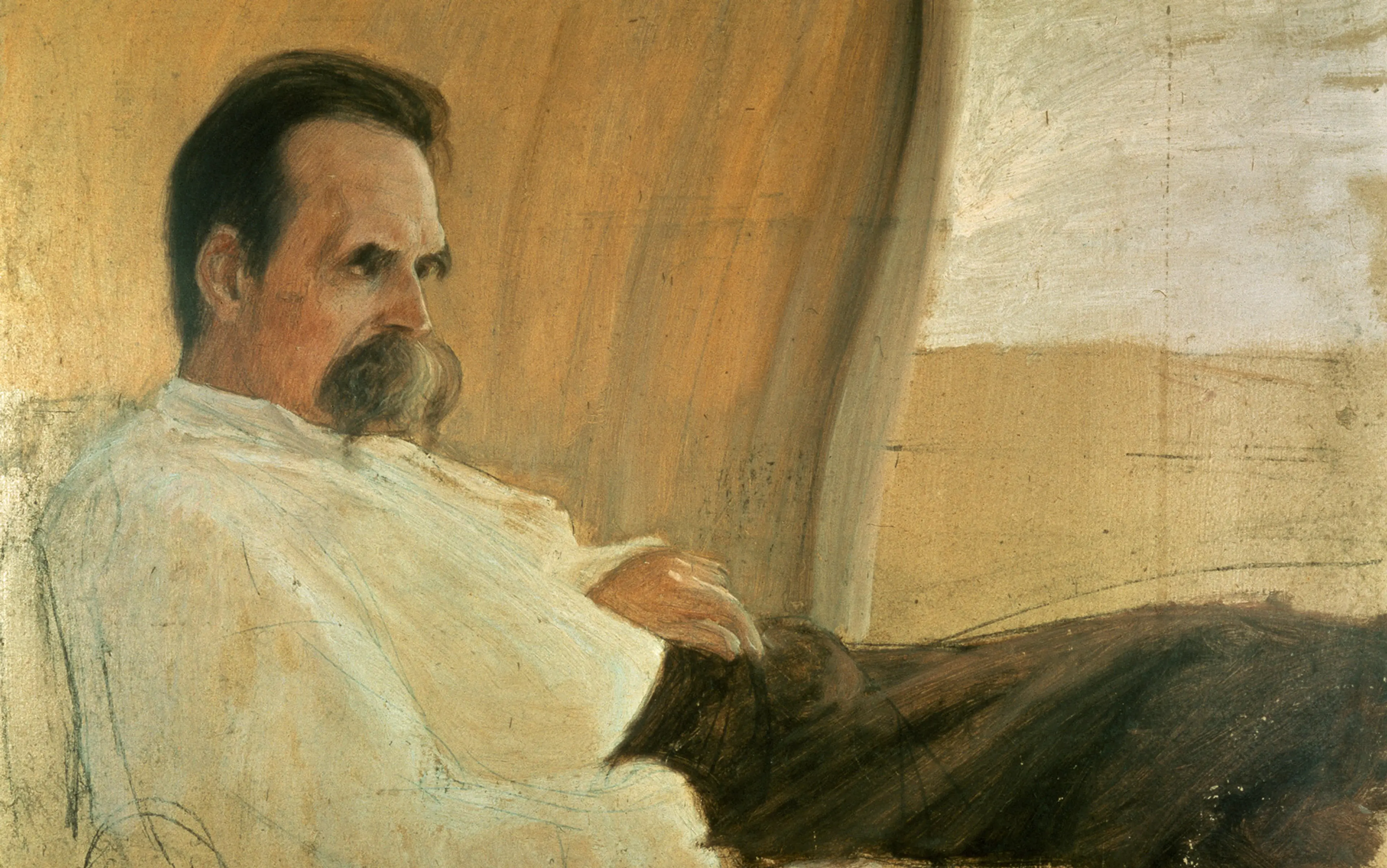
It is hard to encounter the world of modern philosophy without coming across one of the most famous philosophers of the nineteenth century: Friedrich Nietzsche. Yet, for many of us, our first encounter with Nietzsche is not through his books, but through his quotes. Few are as recognisable as: “What doesn’t kill me makes me stronger.”
 [Image Credit: Aeon]
The line has travelled far beyond philosophy. It appears across social media, motivational posts, self-help books and countless discussions about resilience. But somewhere along the way, Nietzsche’s aphorism has been stripped of the context that gives it its philosophical force. Nietzsche has even been criticised for appearing to glorify suffering. If pain makes us stronger, does that mean suffering is somehow good? Is Nietzsche really telling us to embrace hardship simply because it does not destroy us?
The answer is more complicated. On his birthday, we take a closer look at the controversy surrounding his most famous line, return to the words he actually wrote, and explore what Nietzsche intended to provoke in his readers.
Also read: Why Are We Still Reading Lord of the Flies? William Golding and the Darkness Within Human Nature
The Book Behind the Famous Quote & The Intention Behind the Book’s Name
Friedrich Nietzsche’s famous line comes from the book Twilight of the Idols. Written in 1888 and published in 1889, Twilight of the Idols was one of Nietzsche’s final works that summarises his earlier works. The full name of the book reads: Twilight of the Idols: or How to Philosophize with a Hammer.
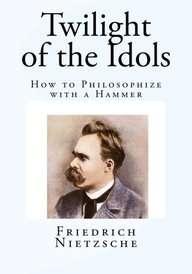
The name is confusing for those who are not familiar with Nietzsche. Nietzsche refers to "idols" as the worshipped and unquestioned beliefs, ideas and values that come from Western culture.
The “twilight” suggests a period of transition—the fading of old certainties and the possibility of something new emerging. The subtitle, “How to Philosophize with the Hammer,” completes the meaning of the title. Nietzsche uses the hammer not as a violent tool for smashing old beliefs but like a tuning fork, striking established beliefs to discover whether they ring true—or sound hollow.
Maxims and Arrows & What They Represent
The full aphorism reads:
“From life’s school of war. – What doesn’t kill me makes me stronger.”
This is Aphorism No. 8 in the section Maxims and Arrows. The title “Maxims and Arrows” captures Nietzsche’s distinctive way of writing. His short statements are not necessarily meant to function as straightforward rules or universal truths. Instead, they act like arrows directed at the reader’s assumptions, provoking reflection and challenging comfortable ideas. Nietzsche’s aphorisms are better understood as stimulating insights. In this sense, the famous quotation is itself an arrow.
What Does Not Kill Me: Unpacking Nietzsche’s Intentions and Meaning
It is foolish to take this quote at face value. Doing so risks turning it into a celebration of suffering, resilience, or simply accepting whatever life throws at us without question. And that, so far, should already sound unlike Nietzsche. The aphorism is not a straightforward lesson in endurance.
The meaning lies partly in the context we have already discussed. Nietzsche’s aphorisms are meant to challenge comfortable beliefs rather than simply hand us conclusions. In adversity, it is easy to believe that nothing will work out. We can be emotionally wounded by events over which we have little or no control. Yet, having lived through certain difficulties, we may find ourselves better equipped to face similar challenges. What once overwhelmed us may no longer have the same power over us.
This is where the aphorism becomes most useful: not as a glorification of suffering, but as a thought that challenges our assumptions about adversity and strength. Nietzsche invites us to ask what resistance does to us—and, more importantly, what we do with it. Hence, the aphorism does not exist in isolation; its meaning shifts when you know the background and intent of the book itself.
What All of This Teaches Us
Nietzsche may have had both strengths and flaws in his philosophy, but that is precisely what makes his ideas worth examining rather than simply accepting or dismissing them. His famous aphorism teaches us something beyond resilience: we should question the ideas we encounter, including the ideas that initially seem obvious or comforting.
“What doesn’t kill me makes me stronger” does not have to be a promise that suffering will always make us better. Instead, it can be read as an invitation to reflect on what adversity does to us and how we respond to it. We may not always have control over what happens to us, but we can examine how those experiences shape us.
Perhaps the larger lesson from Nietzsche is not to find easy answers in famous quotations, but to think more deeply about the questions hidden inside them. His ideas challenge us to look beyond the surface, question our comfortable assumptions, and decide for ourselves what strength, suffering and growth really mean.
Your next read: Goethe’s “World Literature”: Why a 200-Year-Old Idea Still Shapes the Way We Read