
Parent Categories


Related Products


Related Books
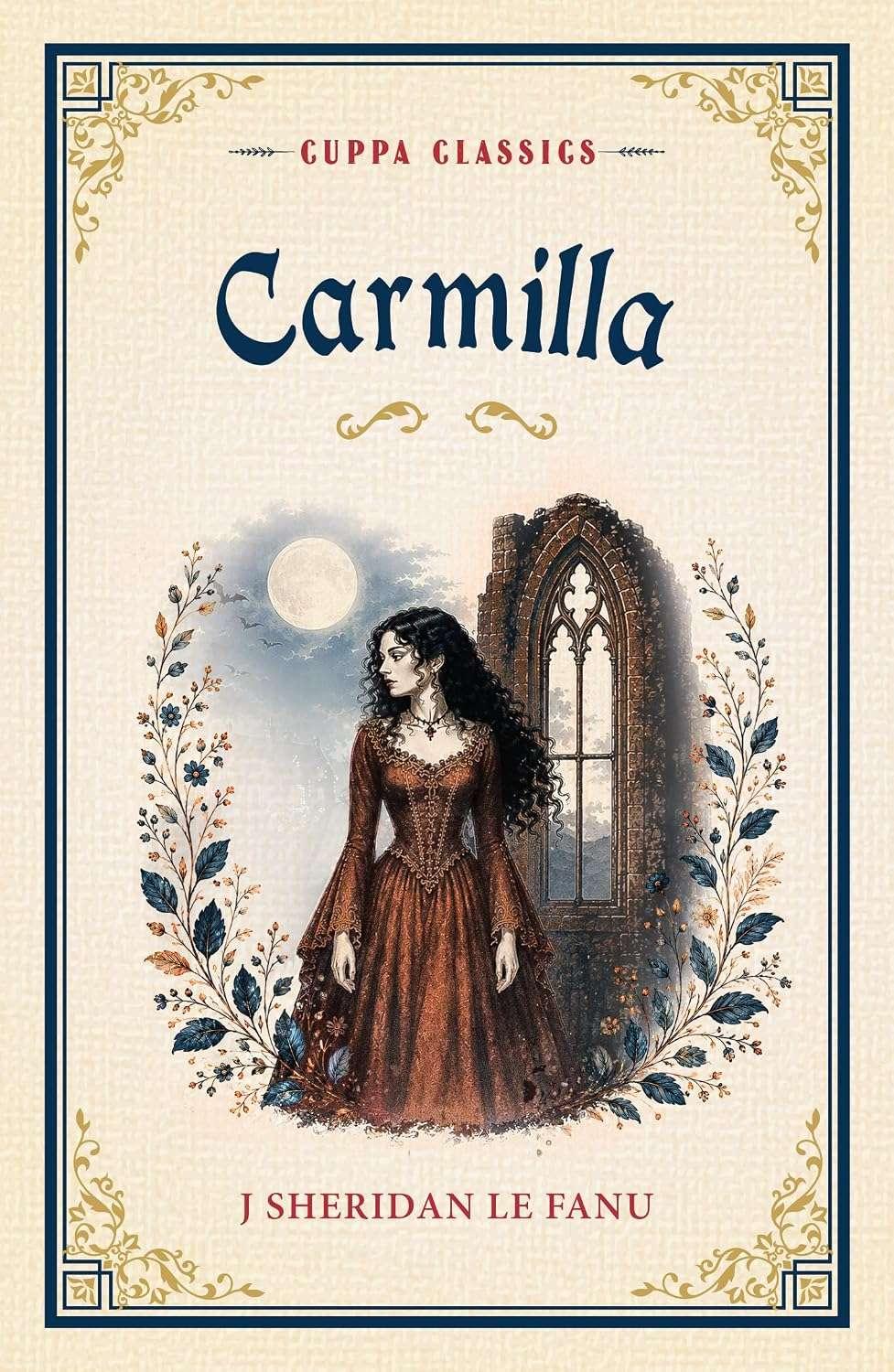
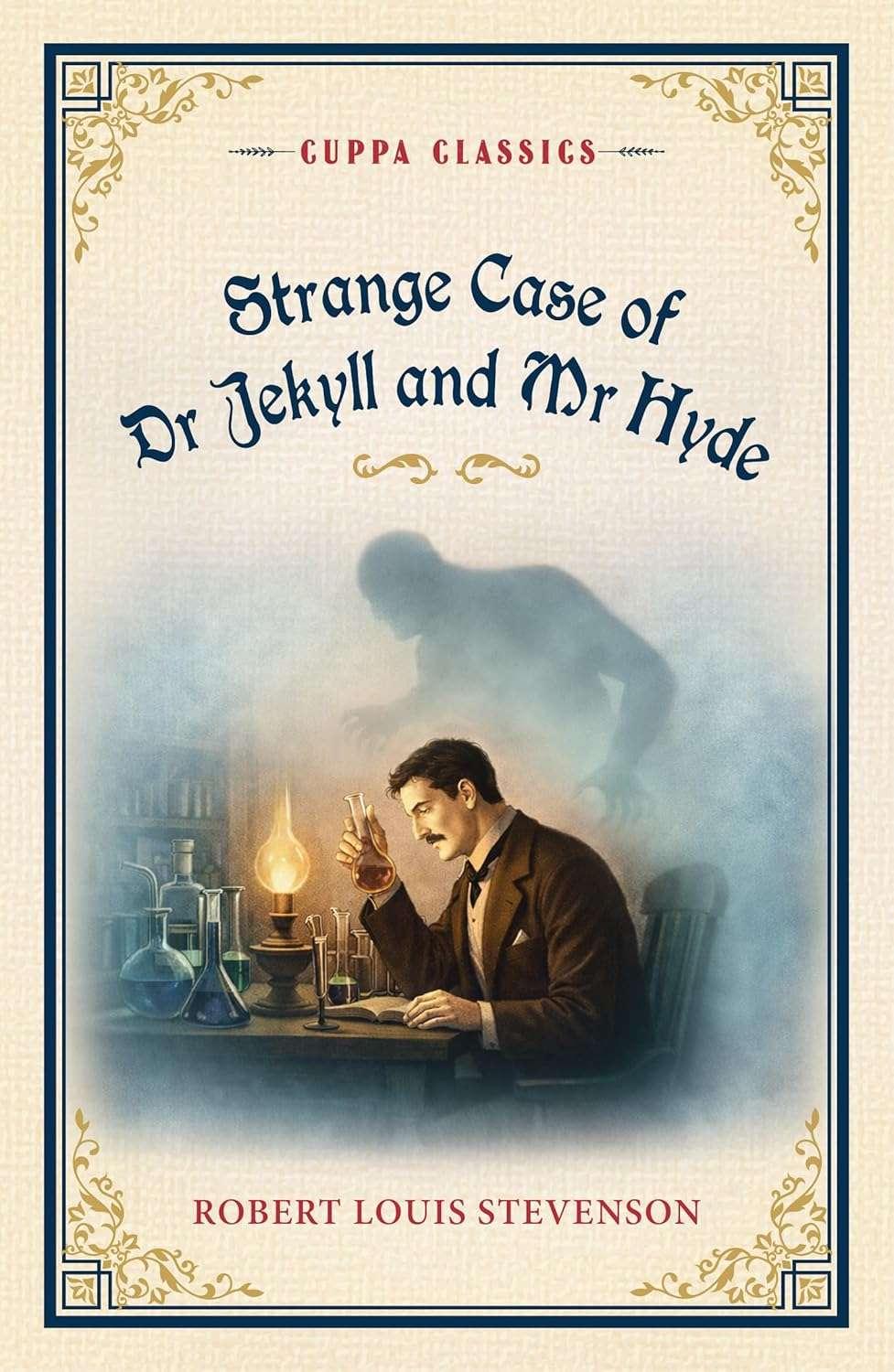

Classic Horror for Every Kind of Reader: Your Halloween Reading, Sorted
 Classic Horror for Every Kind of Reader
There is something wonderfully different about reading a ghost story on a dark October evening. A creaking door sounds a little more ominous, the shadows seem to stretch a little further, and every unexplained noise becomes a possible sign that you are not alone. Halloween is the perfect excuse to revisit the classics of horror, those enduring stories that have frightened readers for generations without needing a single jump scare.
But horror is not a one-size-fits-all genre. Some readers want blood-curdling encounters with the supernatural, while others prefer psychological unease, Gothic romance, or monsters that reveal something unsettling about human nature. Fortunately, classic literature has something for every kind of fright-seeker. Whether you are a seasoned horror enthusiast or someone who would rather keep the lights on, here is your Halloween reading list, sorted by the kind of fear you enjoy.
Also read: Bram Stoker’s Dracula: The Timeless Tale That Redefined Gothic Horror
For Those Who Love Gothic Atmosphere: Dracula by Bram Stoker

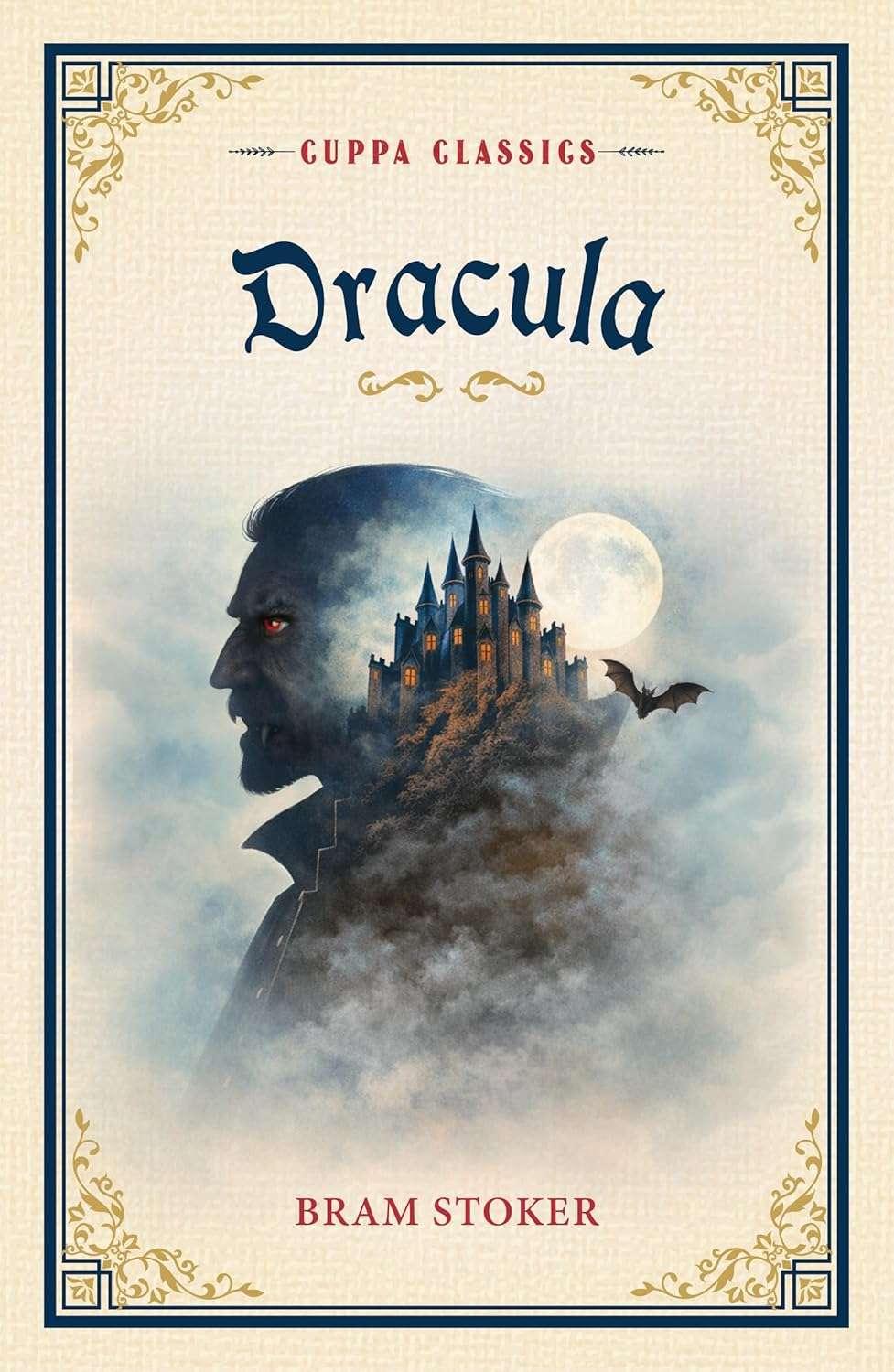
If your ideal horror story involves crumbling castles, mist-covered landscapes, mysterious strangers, and an overwhelming sense that something is terribly wrong, Bram Stoker's Dracula (1897) is the place to begin. The novel follows Jonathan Harker, a young solicitor who travels to Transylvania to assist Count Dracula with a property transaction. What begins as an ordinary professional assignment soon turns into a nightmare.
Stoker builds dread through diaries, letters, newspaper reports, and recorded observations, allowing the reader to piece together the mystery alongside the characters. Dracula himself is frightening not merely because he is a vampire, but because he represents an ancient evil slipping into the modern world.
The novel's Gothic castles, supernatural menace, and creeping paranoia make it essential Halloween reading. It is perfect for anyone who wants their horror served with atmosphere, suspense, and a touch of Victorian elegance.
Buy here: Dracula
For the Reader Who Fears the Human Mind: Strange Case of Dr Jekyll and Mr Hyde by Robert Louis Stevenson

Not all monsters have fangs. Some wear respectable clothes, maintain impeccable manners, and hide their darkest impulses behind a carefully constructed public image. Robert Louis Stevenson's Strange Case of Dr Jekyll and Mr Hyde (1886) explores precisely this unsettling possibility.
When the respectable Dr Henry Jekyll begins experimenting with a formula that separates the darker aspects of his personality, he unleashes Edward Hyde, a figure associated with cruelty and violence. As the mystery unfolds, the distinction between the two men becomes increasingly disturbing.
What makes this novella so effective is its suggestion that evil might not arrive from somewhere outside us. It might already be within us, waiting for permission to emerge. Readers who prefer psychological suspense, moral ambiguity, and questions about human nature will find this far more unsettling than a conventional ghost story.
It is also an excellent choice for anyone who wants a classic horror read without committing to a lengthy novel.
Buy here: Strange Case of Dr Jekyll and Mr Hyde
For Those Who Want the Supernatural: The Turn of the Screw by Henry James

A remote country house, two seemingly innocent children, and a governess who begins seeing mysterious figures: Henry James's The Turn of the Screw (1898) offers the ingredients for a wonderfully disturbing ghost story.
The governess believes that the children in her care are being influenced by the ghosts of two former servants. Yet the more she tries to understand what is happening, the less certain the reader becomes about the nature of the haunting. Are the ghosts real, or is the governess interpreting events through a troubled mind?
James refuses to provide easy answers, and that uncertainty is the source of the novella's lasting power. Every conversation and unexplained glance seems capable of concealing something sinister.
Choose this one if you enjoy stories that leave you arguing with yourself long after the final page. Sometimes the most frightening thing about a ghost story is not seeing the ghost, but never being entirely sure whether it was there at all.
Buy here: The Turn of the Screw
For the Reader Who Loves Monstrous Creations: Frankenstein by Mary Shelley

What if the most terrifying monster in a horror story is not the creature, but the person who created it?
Mary Shelley's Frankenstein; or, The Modern Prometheus (1818) begins with Victor Frankenstein's ambitious attempt to discover the secret of life. His experiment succeeds, but his triumph quickly becomes a catastrophe when he recoils from the being he has brought into existence.
The creature, frequently reduced in popular culture to a lumbering figure with bolts in his neck, is far more complex in the novel. He is intelligent, articulate, and desperate for companionship. His suffering and subsequent acts of violence raise difficult questions about responsibility, rejection, and the consequences of playing god.
Shelley's masterpiece is ideal for readers who want horror with philosophical depth. It is a story of scientific ambition, loneliness, and the destructive consequences of refusing to take responsibility for one's actions. Its central questions remain relevant in an age of technological breakthroughs and artificial intelligence.
Buy here: Frankenstein
For Those Who Love Gothic Dread: The Fall of the House of Usher and Other Writings by Edgar Allan Poe

Few writers understood the art of making a reader uneasy quite like Edgar Allan Poe. In The Fall of the House of Usher, a narrator visits the decaying mansion of his childhood friend, Roderick Usher, whose health and mental state are deteriorating. The house itself seems to share in the family's affliction, its gloomy corridors and ominous atmosphere reflecting the psychological disintegration unfolding within.
As strange events accumulate and the boundaries between the living and the dead begin to blur, Poe creates a sense of dread that feels almost suffocating. The mansion becomes more than a setting: it is a symbol of a family consumed by its own history, secrets, and impending destruction.
For readers who enjoy haunted houses, unsettling mysteries, and Gothic landscapes, The Fall of the House of Usher and Other Writings is an excellent Halloween companion. The collection also offers an opportunity to explore Poe's wider imagination, where guilt, obsession, fear, and madness frequently lead characters into darkness. If your idea of horror involves an atmospheric story that lingers long after the final page, this is the book to pick up.
For Those Who Love Vampires with a Gothic Twist: Carmilla by Sheridan Le Fanu
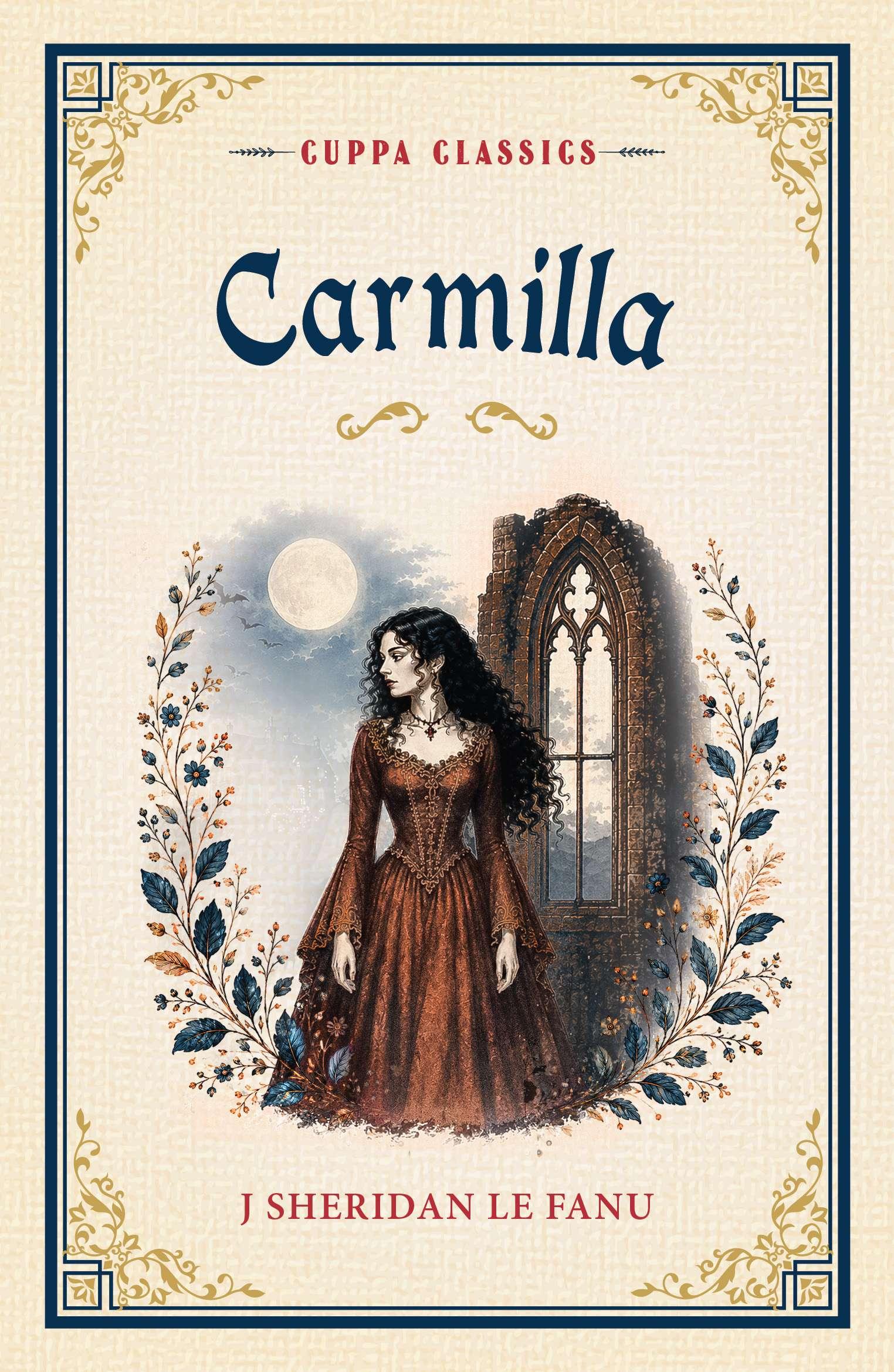
Before Bram Stoker's Dracula became the definitive vampire novel, another mysterious figure was haunting Gothic literature. Sheridan Le Fanu's Carmilla (1872) introduced readers to one of fiction's earliest and most intriguing female vampires, creating a tale of seduction, secrecy, and supernatural terror that continues to fascinate readers.
The story follows Laura, a young woman living with her father in an isolated Austrian castle. Her existence takes an unexpected turn when Carmilla, a beautiful and enigmatic young woman, arrives after a carriage accident. The two develop an intense friendship, but Carmilla's strange behaviour and Laura's increasingly disturbing experiences suggest that their visitor is hiding something sinister. As young women in the surrounding region fall mysteriously ill and die, the truth behind Carmilla's identity begins to emerge.
Le Fanu builds horror through atmosphere and ambiguity rather than graphic violence. The lonely castle, shadowy corridors, and mysterious illness create a growing sense of unease, while Carmilla's captivating presence blurs the boundaries between affection and fear. The novella also explores themes of desire, vulnerability, and the dangers of the unknown, giving it a complexity that extends beyond its supernatural premise.
For readers who love vampire fiction but want to venture beyond the familiar legend of Dracula, Carmilla is an excellent Halloween choice. Its influence on vampire literature is unmistakable, and its combination of Gothic suspense and psychological intrigue makes it as compelling today as it was in the nineteenth century.
Buy here: Carmilla
Your Halloween, Your Kind of Horror
The beauty of classic horror lies in its remarkable variety. Bram Stoker offers Gothic grandeur, Robert Louis Stevenson explores the darkness within, Henry James leaves us questioning reality, and Mary Shelley gives us a monster who deserves our sympathy. Charlotte Perkins Gilman turns an ordinary room into a site of terror, Edgar Allan Poe's The Fall of the House of Usher and Other Writings immerses us in Gothic dread, and Sheridan Le Fanu’s Carmilla reminds us that sometimes the most terrifying monsters are the ones who charm us before revealing their true nature.
These stories have survived generations because their fears extend far beyond Halloween. They explore the anxieties that haunt every age: losing control, confronting the unknown, being abandoned, and discovering that appearances can be dangerously deceptive.
So, this October, choose your fright according to your mood. Lose yourself in a haunted mansion, confront the darker corners of the human mind, or venture into the uncanny world of a man transformed into an insect. Whether you prefer ghosts, psychological suspense, or existential unease, these classics promise a Halloween reading experience worth remembering.
Keep a blanket nearby, perhaps leave a lamp on, and remember one important rule of Halloween reading: the scariest stories are often the ones that follow you long after you have closed the book.
Your next read: Frankenstein’s Legacy: From Gothic Horror to Pop Culture Phenomenon