

Parent Categories


Related Products



Related Books
Arrested for Being Too Friendly: How EE Cummings Ended Up in a French Prison Camp
 EE Cummings
In 1917, a young American intellectual and poet came to France with absolutely no intention of getting himself caught in a political nightmare. But could he escape it? No! Was he fazed by it? The evidence suggests otherwise. Instead, the experience became one of the defining episodes of his life and contributed to the making of the classic author we know today.
This was the story of EE Cummings, the American poet, painter, essayist, author, and playwright who became one of the most innovative creatives of his time. He was an artist who wasn’t afraid to explore war, individuality, and the human experience in unconventional ways. His early work, including Eight Harvard Poets, revealed the talent and potential of a Harvard-educated writer who would go on to challenge the conventions of poetry.
On his birthday, let’s take a closer look at the life and history of this classic author—and unravel the story behind the punishment that unexpectedly became part of his literary legacy.
Also read: Beyond the Windmills: The Many Meanings of Miguel de Cervantes’ Don Quixote
A Young Poet With Humanitarian Intentions
Before he became famous for his unconventional poetry, EE Cummings was a young Harvard graduate with a growing interest in literature and the arts. Born in Cambridge, Massachusetts, in 1894, he grew up in an intellectually stimulating household. His father was a respected Unitarian minister and Harvard professor, and Cummings developed an independent personality from an early age.
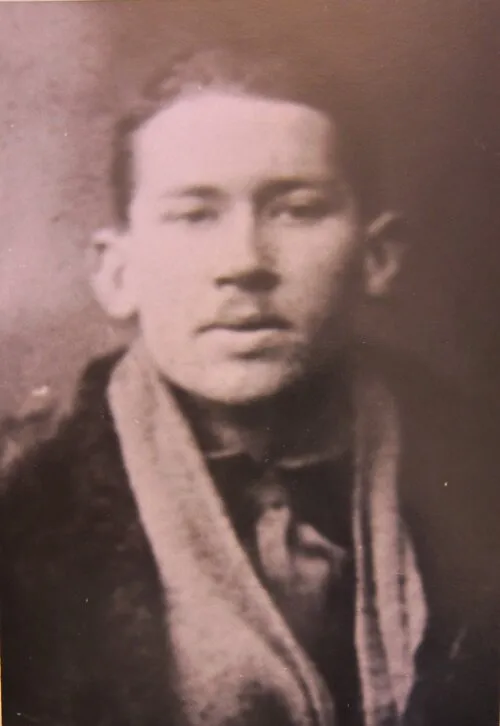 [Image Credit: eecsocietyblog.org]
When the United States entered the First World War in 1917, Cummings did not immediately seek a traditional military role. Instead, he volunteered with the Norton-Harjes Ambulance Service, an organisation that allowed American volunteers to work with Allied medical units in France. He was just 23 at the time when he moved to France with humanitarian intentions.
The Friendship That Caused Trouble
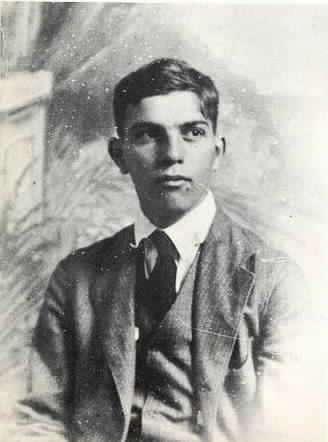
While travelling to France, Cummings became close friends with William Slater Brown, another young American volunteer. The two men shared literary interests, love for this new city, and quickly developed a strong friendship.
They were outspoken and sceptical about the war. Their letters home reflected his opinions, frustrations, and observations about the conflict. They were arrested and labelled as "undesirable in the war zone" after writing candid, anti-war or despondent letters home and declining to express a desire to kill Germans.
Sent to La Ferté-Macé
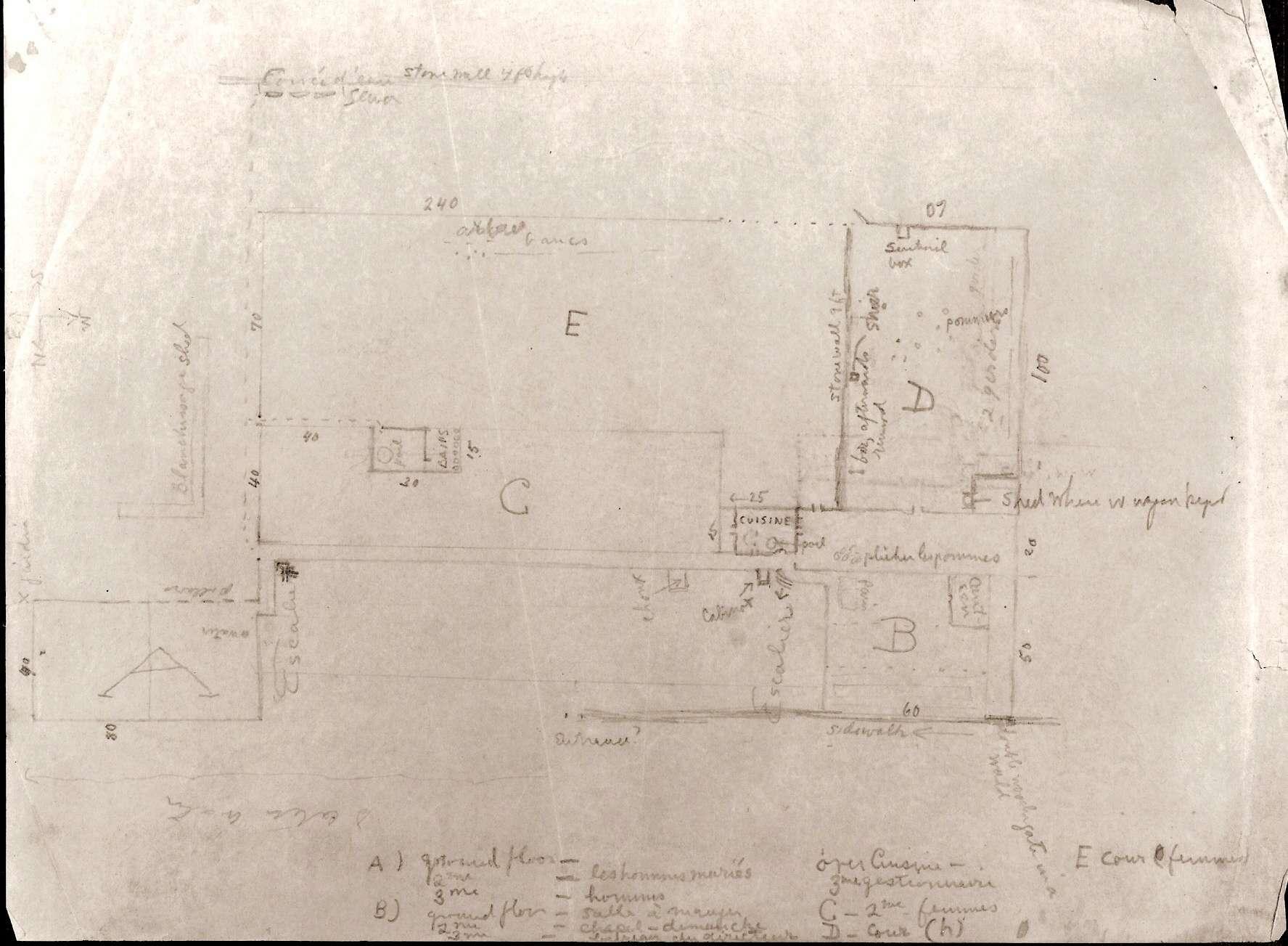 [Cummings’ plan of the Dêpot de Triage at La Ferté-Macé, Image Credit: eecsocietyblog.org]
Cummings and Brown were eventually sent to a detention facility at La Ferté-Macé in Normandy. Cummings spent four months in the prison. The experience for him was bewildering. He was surrounded by presumed enemies of the state as well as actual criminals, and he started observing them. He was having a once-in-a-lifetime experience, and he made sure to get the best of it.
The Influence of the Enormous Room
Cummings called the prison an “enormous room” and later turned his experience there into his first semi-autobiographical novel, The Enormous Room, published in 1922. The book recounts the days leading up to his arrest, his time spent in the eponymous “enormous room,” and a glimpse of what followed after his liberation.
What makes the book particularly special is the glimpse it offers into Cummings’s wry sense of humour. He wrote about the time in prison with an oddly cheerful sense of humour. He considered this time to be fruitful for his inner growth. During his imprisonment, he observed and recorded the personalities of the prisoners around him, many of whom eventually found their way into the pages of the book.
A Punishment That Became a Legacy
With the help of his father, Cummings was eventually released from prison. However, his time in captivity left a lasting impression on him and helped him refine and embrace his distinctive literary voice.
Soon after, Cummings continued to establish himself as an unconventional poet. Tulips and Chimneys, published in 1923, showcased his experimental approach to language, grammar, and punctuation. Another collection, XLI Poems, followed in 1925.
Through these collections in the 1920s, Cummings firmly established his reputation as an avant-garde poet, unafraid to experiment with whatever life threw his way and make it his own through his unconventional approach to literature. His time in the French prison may have begun as a punishment, but it ultimately became part of the experience that shaped the writer—and the distinctive literary legacy—we remember today.
Your next read: Goethe’s “World Literature”: Why a 200-Year-Old Idea Still Shapes the Way We Read