
Parent Categories




Related Products




Related Books





10 Classic Writers Born in November You Should Know
 Classic Writers Born in November
What are the chances that famous classics we have read came from November-born authors? We did the research, and it’s a lot. These writers have given us some of the most memorable stories, unforgettable characters, and literary works that continue to find their way onto bookshelves generations later. From timeless novels to thought-provoking poetry, meet 10 classic writers whose November birthdays are worth celebrating.
Also read: What Does Not Kill Me: What Friedrich Nietzsche Actually Meant
1. Albert Camus
 [Image Credit: Nobel Prize]
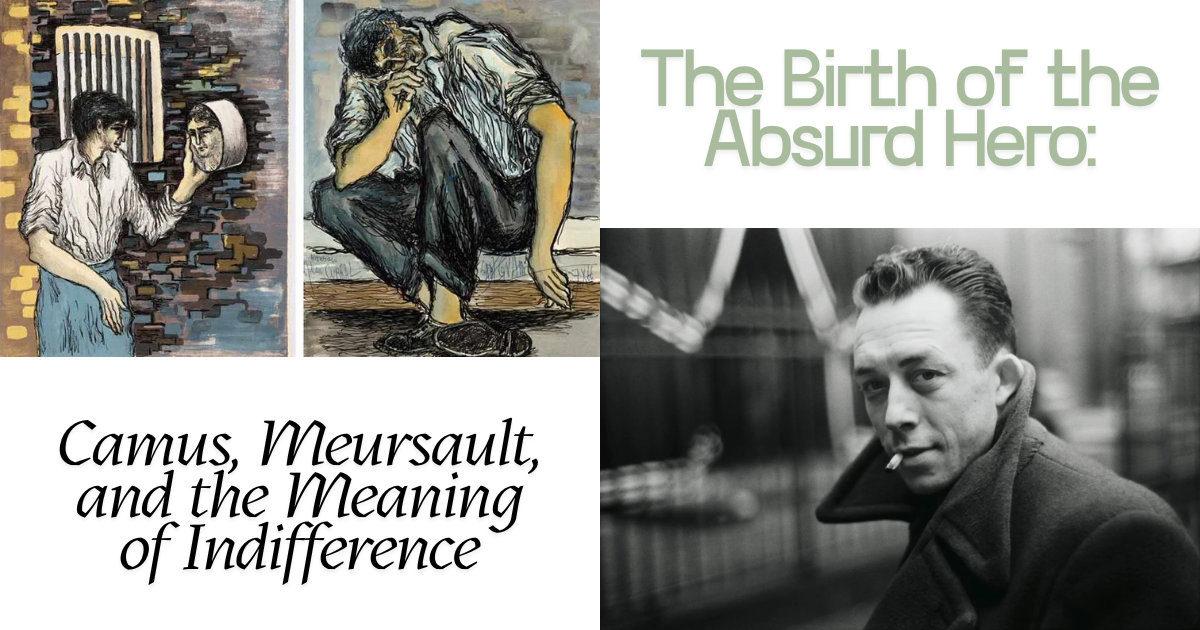
Not every great writer begins life surrounded by books, privilege, or opportunity. Albert Camus was born on November 7, 1913, in Mondovi, French Algeria (now Algeria), into a working-class family. His father died during the First World War, leaving his mother to raise him and his brother. Despite growing up with little, Camus developed a passion for sports, particularly football, swimming, and boxing. A schoolteacher, Louis Germain, recognised his potential and encouraged him to pursue higher education.
Camus eventually enrolled at the University of Algiers to study philosophy, but tuberculosis interrupted his studies and ended his football ambitions. He gradually turned towards writing, producing some of the most influential literary works of the 20th century, including The Stranger and The Plague. His exploration of human existence, suffering, and the search for meaning earned him the Nobel Prize in Literature in 1957. Interestingly, Camus dedicated his Nobel acceptance speech to the teacher who had helped him pursue his dreams.
Buy here: The Stranger
2. Bram Stoker
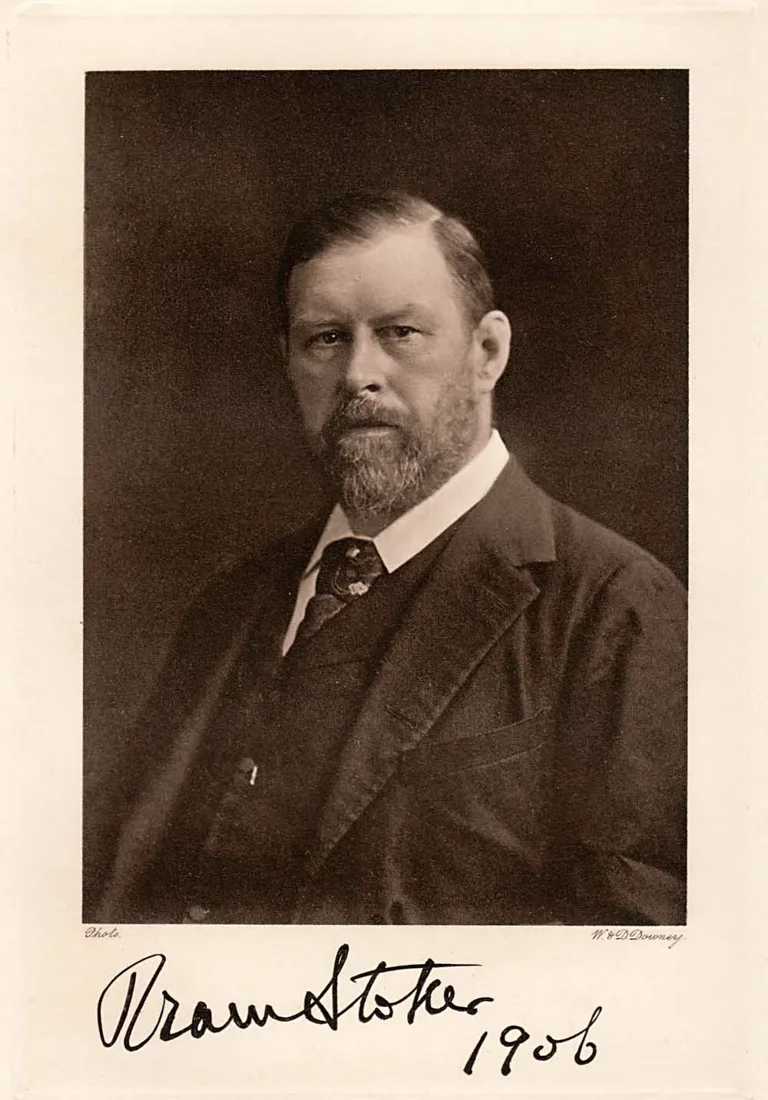 [Image Credit: Bram Stoker Estate]
Gothic horror and the world of vampires wouldn’t be the same without Bram Stoker, the Irish writer who brought Dracula to life. Born on November 8, 1847, in Clontarf, County Dublin, Ireland, Stoker was the third of seven children. He was an accomplished athlete and football player at Trinity College Dublin, where he studied mathematics. Stoker spent ten years working in the civil service at Dublin Castle.
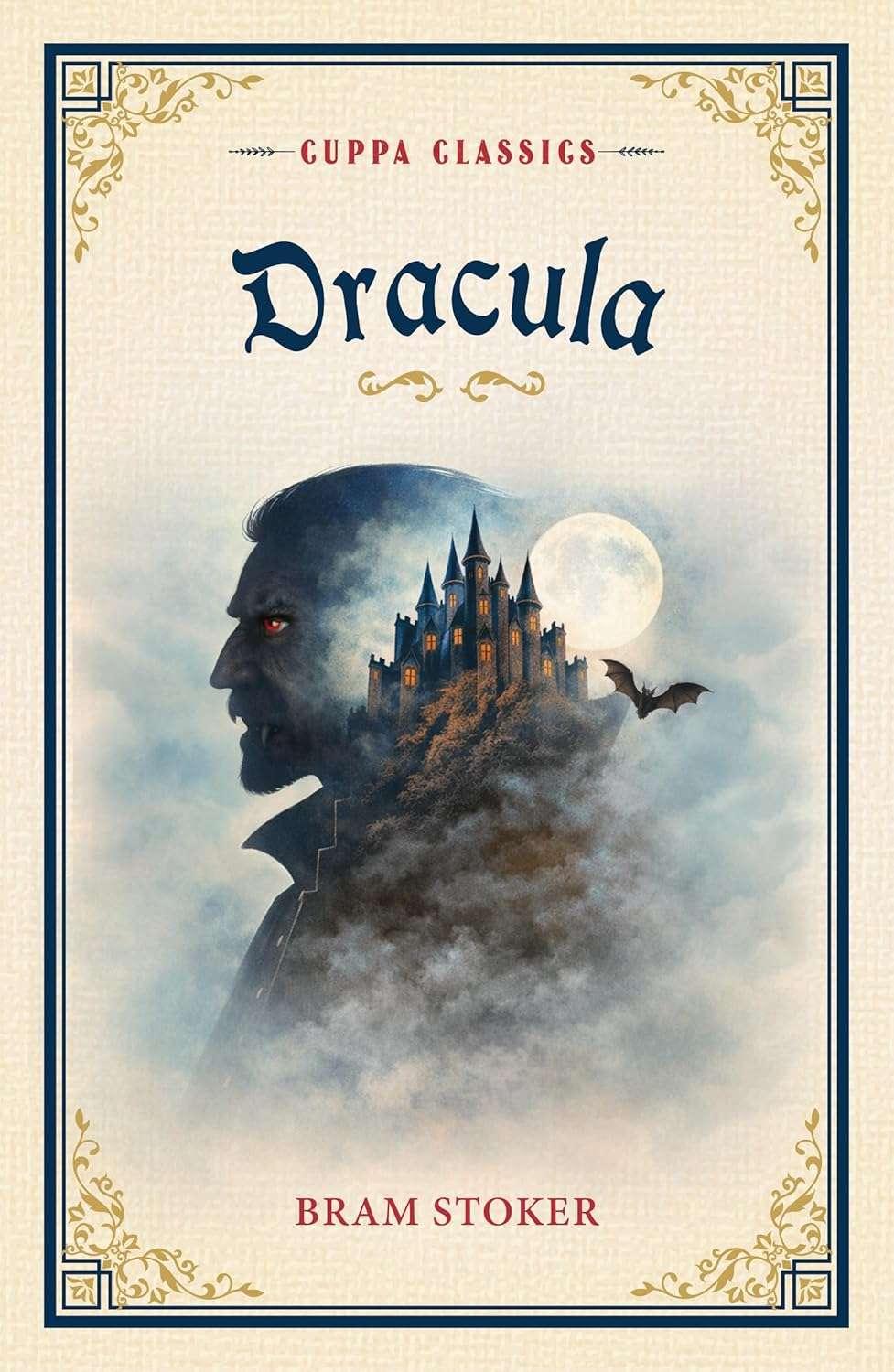
He first tried his hand at fiction with The Snake's Pass in 1890, a romantic thriller. His most enduring work, Dracula, followed in 1897, introducing a vampire who would become one of the most recognisable figures in literary history.
Buy here: Dracula
3. Anne Sexton
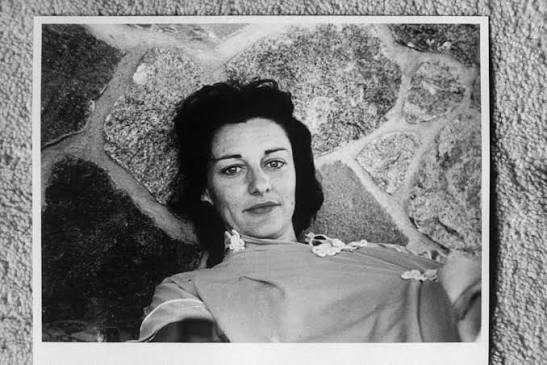 [Image Credit: The Poetry Foundation]
Anne Sexton was an American poet who turned some of her most difficult personal experiences into confessional poetry. Born on November 9, 1928, in Newton, Massachusetts, she initially had little idea that poetry would become her life's calling. After marriage and the birth of her two daughters, Sexton struggled with severe depression and began receiving psychiatric treatment.
At her therapist's encouragement, she started writing poetry in 1957 and soon discovered a remarkable voice of her own. Her deeply personal writing explored subjects including mental health, motherhood, identity, and female sexuality. To Bedlam and Part Way Back brought her recognition, while Live or Die earned her the Pulitzer Prize for Poetry in 1967. She died in 1974, aged 45, leaving behind a body of work that continues to be read, discussed, and studied.
4. Fyodor Dostoevsky
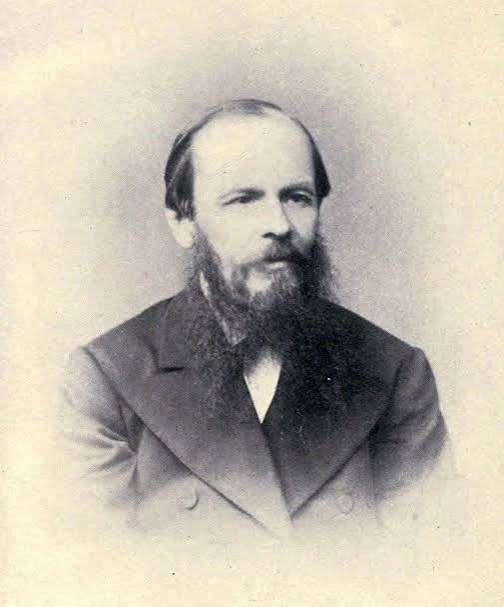 [Image Credit: Britannica]
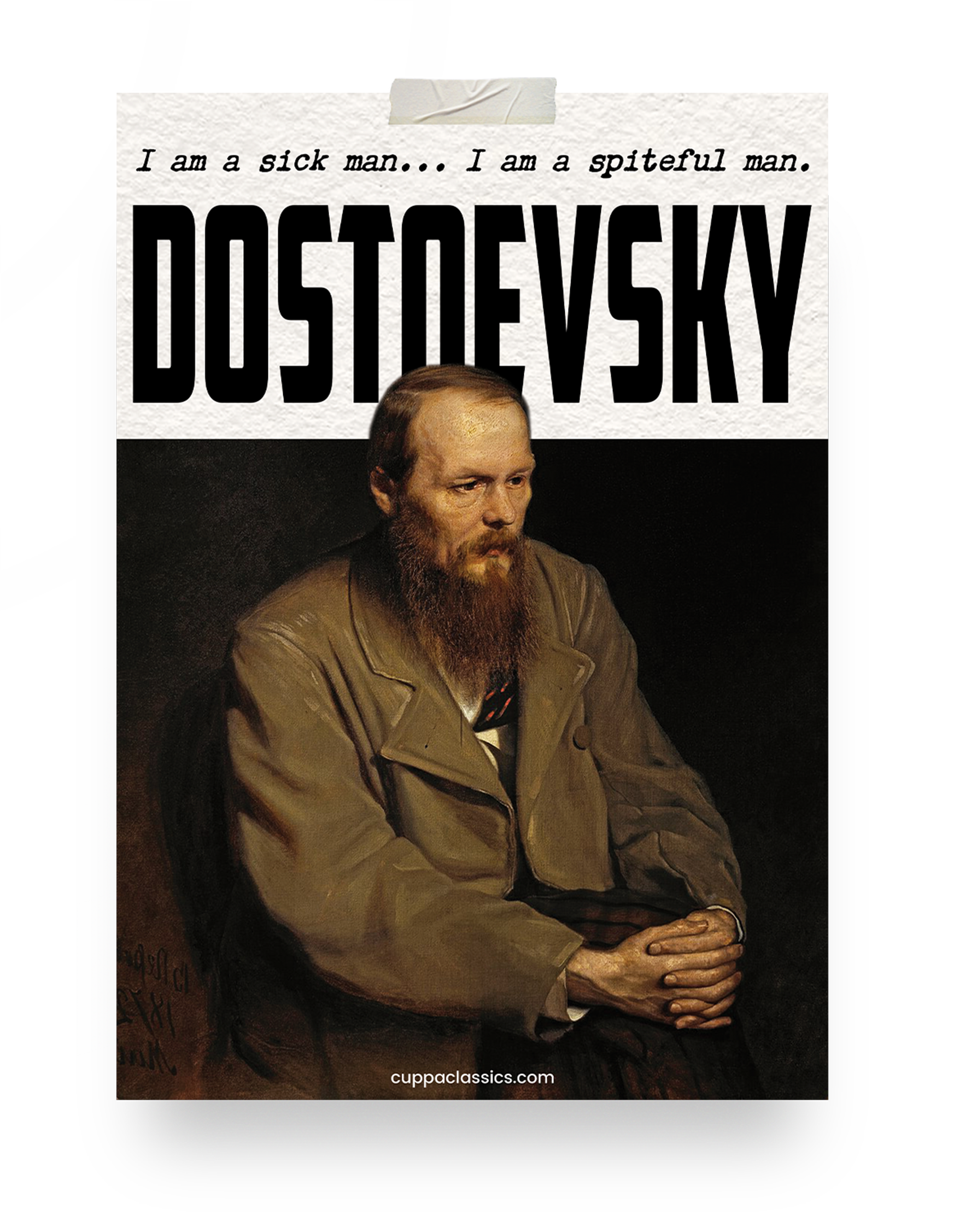
A death sentence, a last-minute reprieve, and four years of hard labour in Siberia: Fyodor Dostoevsky's life was almost as dramatic as the stories he would go on to write. He was born on November 11, 1821, in Moscow, Russia, in a family where books and education were valued. Dostoevsky initially trained as a military engineer but soon abandoned the profession to pursue writing. His first novel, Poor Folk (1846), received critical attention and introduced him to Russia's literary circles.
His life took a dramatic turn in 1849 when he was arrested for his association with a group of intellectuals critical of the Russian government. Sentenced to death, he was already standing before a firing squad when a last-minute reprieve arrived. Instead, he was sent to a Siberian prison camp, where he spent four years. This experience profoundly shaped his understanding of human suffering, faith, guilt, and redemption. He went on to write literary masterpieces such as Crime and Punishment, The Idiot, and The Brothers Karamazov.
Buy here: Crime and Punishment, The Idiot, and The Brothers Karamazov
5. Robert Louis Stevenson
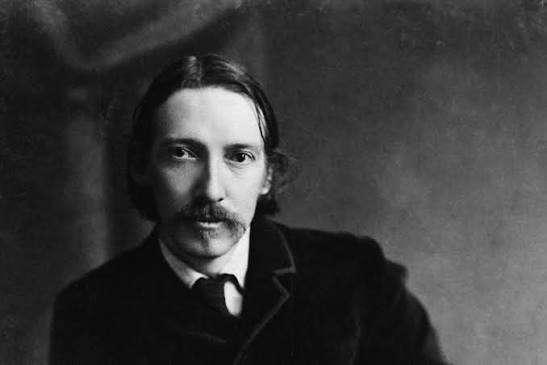 [Image Credit: Poetry Foundation]
Life was not always kind to Robert Louis Stevenson, but it never managed to quiet his imagination. Born on November 13, 1850, in Edinburgh, Scotland, he spent much of his childhood battling poor health, which often kept him away from school. The only son of Thomas Stevenson and Margaret Isabella Balfour, he was born into a family of lighthouse engineers and was expected to carry on the profession. However, Stevenson had other ambitions. After initially resisting his father's wishes, he eventually agreed to study law as a compromise.
His interest in Scottish history and the Covenanters inspired his first printed work, The Pentland Rising. Despite recurring illnesses and frequent travels in search of better health, he remained devoted to writing. He went on to give the world enduring classics such as Treasure Island, Strange Case of Dr Jekyll and Mr Hyde, and Kidnapped.
Buy here: Strange Case of Dr Jekyll and Mr Hyde
6. Margaret Atwood
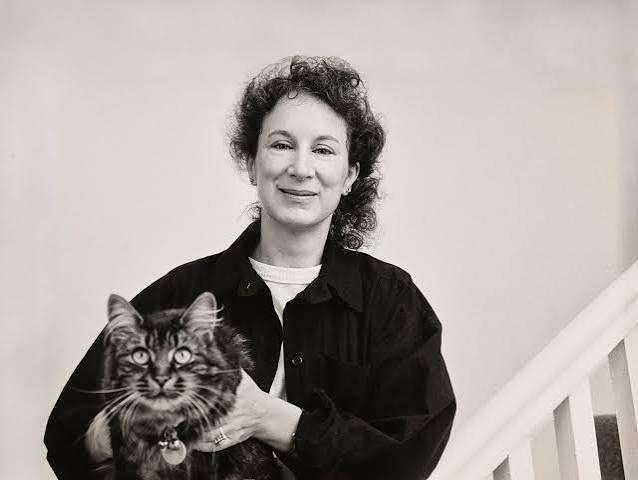 [Image Credit: Vogue]
Long before Margaret Atwood imagined a world where women could lose control over their own lives, she was a little girl exploring the Canadian wilderness and filling notebooks with stories. Born on November 18, 1939, in Ottawa, Ontario, Canada, she began writing at just six years old and decided to pursue writing at 16. After studying English at the University of Toronto and Radcliffe College, she published her first collection of poetry, Double Persephone, in 1961. Her first novel, The Edible Woman, followed in 1969. However, it was The Handmaid's Tale, a dystopian novel exploring women's rights, power, and oppression, that brought her international recognition. She later won the Booker Prize for The Blind Assassin. With more than 50 books spanning fiction, poetry, and essays, Atwood starts conversations about cultural habits, political structures, and everyday compromises that shape women’s lives.
Also read: How Margaret Atwood’s The Handmaid’s Tale Exposes Patriarchy, Power, and State Control
7. Mary Ann Evans
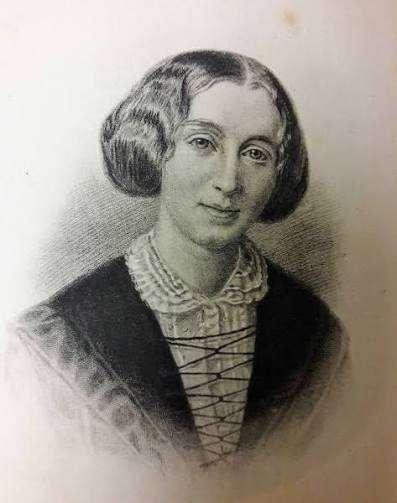 [Image Credit: Free Library of Philadelphia]
Commonly known by her pen name George Eliot, Mary Ann Evans was one of the most influential novelists of 19th-century England. Born on November 22, 1819, at South Farm on the Arbury estate near Nuneaton, Warwickshire, she grew up surrounded by the English countryside. Her father, Robert Evans, managed the estate, which gave her young daughter access to the landowner's library and an opportunity to read widely.
Her first novel, Adam Bede, brought her widespread recognition, followed by literary classics such as The Mill on the Floss, Silas Marner, and Middlemarch. Through her richly drawn characters and keen understanding of human nature, she gave us a body of work that delved into the complexities of human relationships, social expectations, morality, and the choices that shape our lives.
8. Louisa May Alcott
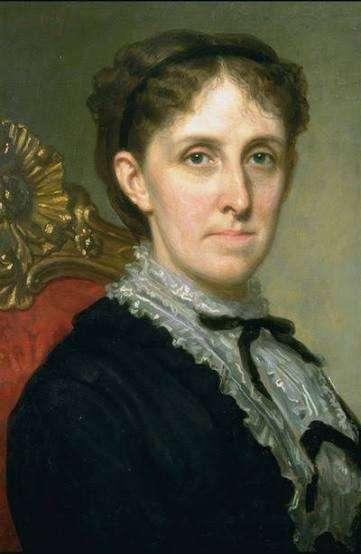 [Image Credit: Louisa May Alcott’s Orchard House]
Long before Little Women became a beloved classic, Louisa May Alcott was a young girl determined to help her family make ends meet. She was born on on November 29, 1832, in Philadelphia, Pennsylvania. Much like her novel Little Women, Alcott was one of four daughters, and she remained close to her sisters throughout her life. Despite living among influential thinkers such as Ralph Waldo Emerson and Henry David Thoreau, the family struggled financially. Louisa took up various jobs, including teaching and washing laundry, before turning to writing as a way to support her loved ones.
Her first book, Flower Fables (1854), was a collection of stories originally written for Ellen Emerson. She also released many of her earlier works under the name AM Barnard. Her greatest success came with Little Women, a novel inspired by her own childhood with her three sisters. The book became an instant hit and was followed by Little Men and Jo's Boys. Beyond her literary achievements, Alcott advocated for women's rights and became the first woman to register to vote in Concord, Massachusetts.
Buy here: Little Women & Good Wives
9. LM Montgomery
 [Image Credit: L. M. Montgomery Institute]
A lonely childhood, a vivid imagination, and a little red-haired girl named Anne changed the course of Canadian literature, thanks to Lucy Maud Montgomery. Popularly known as LM Montgomery, she was born on November 30, 1874, in Clifton (now New London), Prince Edward Island, Canada. Following her mother's death when she was just 21 months old, she was raised by her maternal grandparents in Cavendish. Montgomery often found comfort in books, poetry, and the imaginary worlds she created. She began writing poems and stories as a child, eventually publishing her first poem in a local newspaper in 1890.
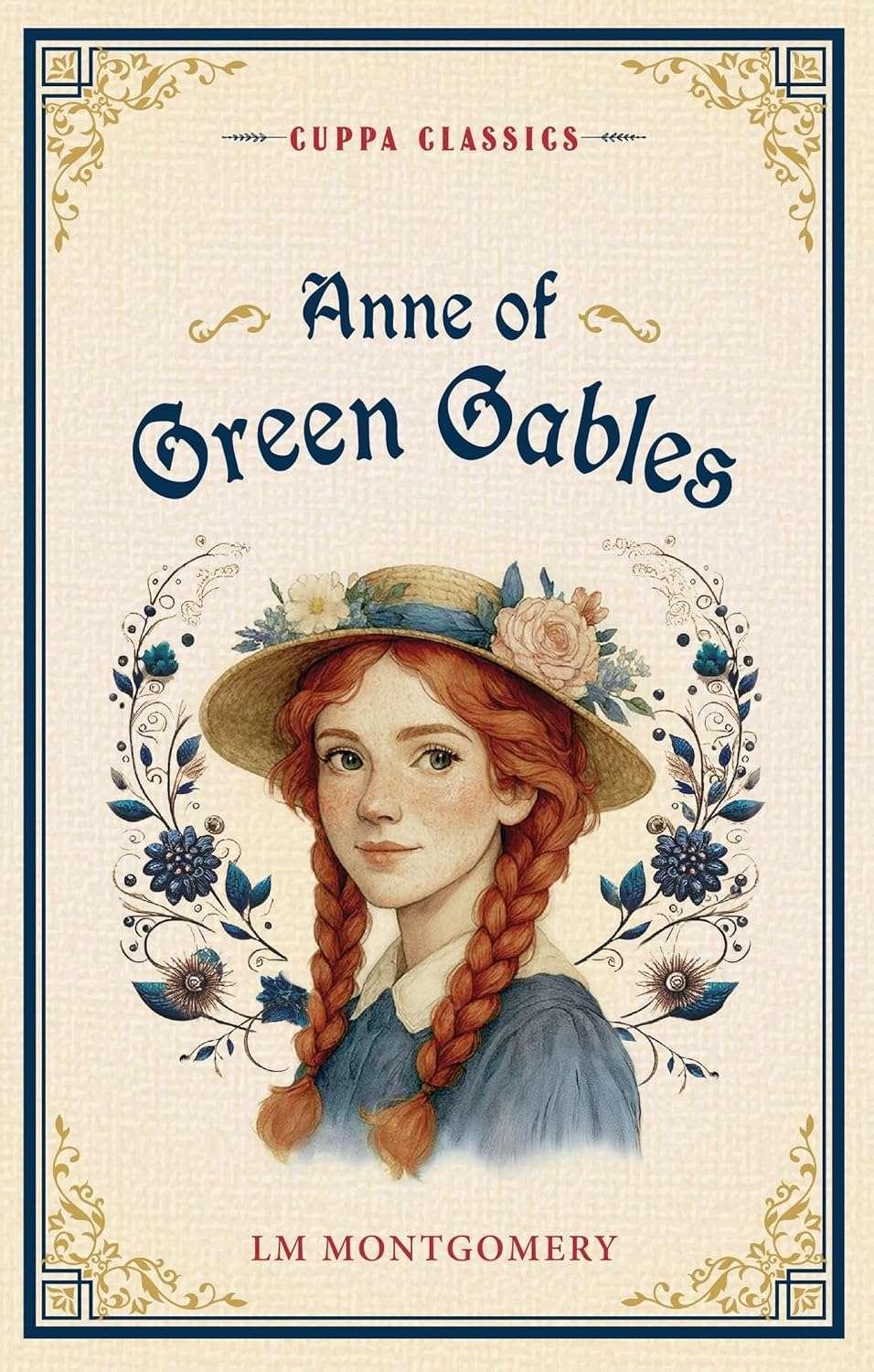
After studying at Prince of Wales College and teaching in several schools, she pursued writing more seriously. Her breakthrough arrived in 1908 with Anne of Green Gables, the story of an imaginative orphan girl whose adventures and spirited personality won readers' hearts around the world. Her beloved Anne Shirley continues to charm readers more than a century later.
Buy here: Anne of Green Gables
10. Mark Twain
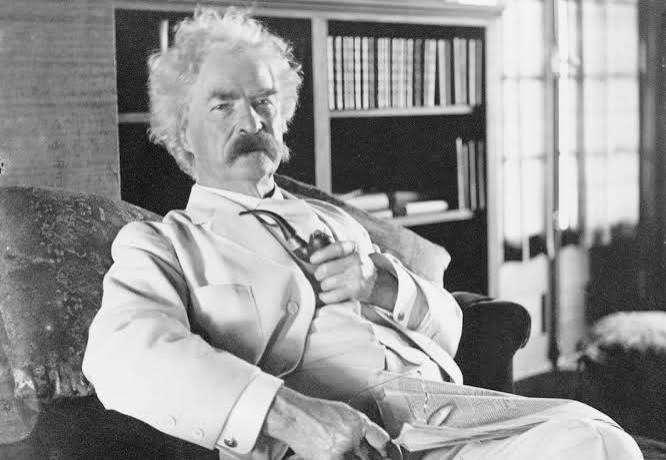 [Image Credit: Britannica]
Few writers have captured the mischief of childhood quite like Mark Twain. Born Samuel Langhorne Clemens on November 30, 1835, in Florida, Missouri, he moved with his family to a small town along the Mississippi River when he was four. The river, its steamboats, and the colourful characters of the town would later become the backdrop for some of his most famous stories.
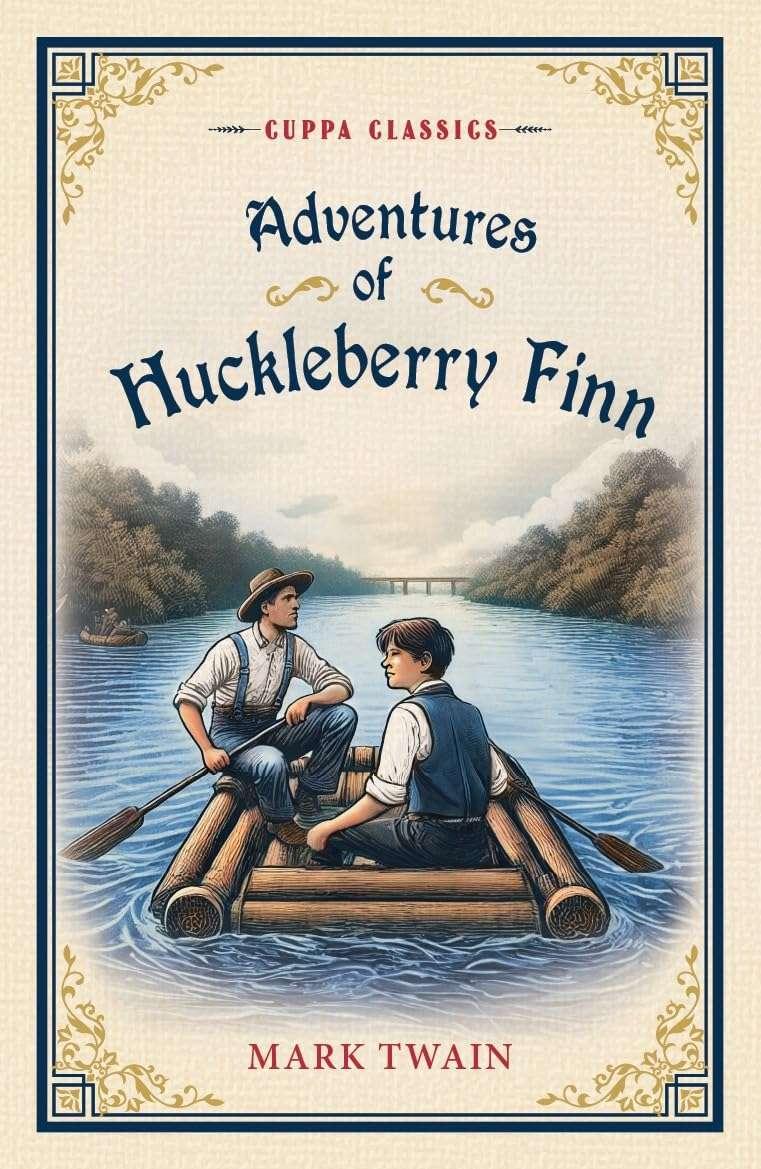
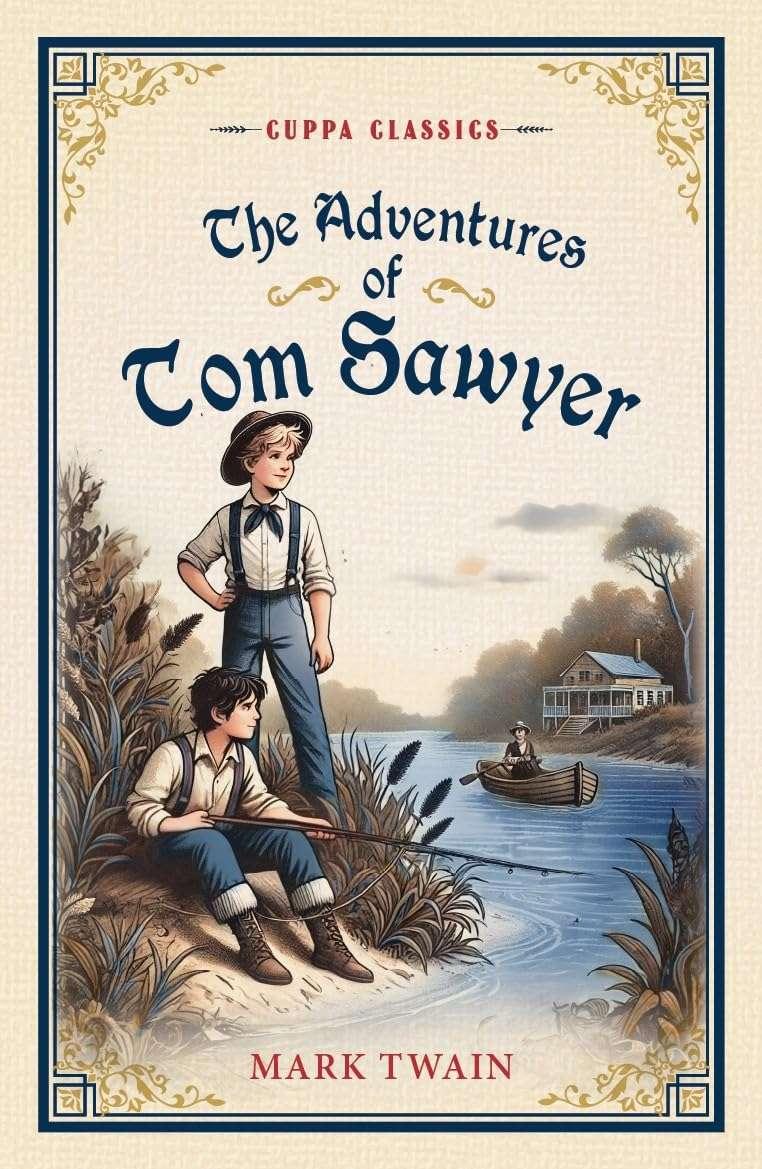
His childhood took a difficult turn when his father died in 1847, leaving the family struggling financially. At eleven, Clemens left school and began working as a printer's apprentice for a local newspaper. But his ambitions took him beyond the printing press. In 1857, he began training as a riverboat pilot on the Mississippi, a profession he loved until the Civil War halted river traffic in 1861. He later worked as a journalist in Nevada, where he first adopted the pen name Mark Twain in 1863, borrowing the expression from his steamboating days. His first break came in 1865 with Jim Smiley and His Jumping Frog. He went on to write enduring classics, including The Adventures of Tom Sawyer and The Adventures of Huckleberry Finn, drawing heavily on his childhood memories and experiences along the Mississippi. Through humour, satire, and social commentary, Twain created stories that entertained generations while offering a remarkable portrait of American life.
Buy here: The Adventures of Tom Sawyer and The Adventures of Huckleberry Finn
A November to Remember
As winter approaches and November settles in, we hope the lives, words, and timeless classics of these writers leave behind a little warmth, inspiration, and wonder. May their stories remind us that great literature has a way of travelling through generations, finding a home in new hearts and minds, no matter how much the world changes.
Your next read: Legends of India Every Child Should Know: Stories of Courage, Cleverness and Kindness