

Parent Categories


Booker Prize 2026: The End of Everything – A Science Fiction Writer Makes Booker History
 [Image Credit: Getty Images]
In a landmark moment for science fiction and contemporary literature, British author M. John Harrison has won the Booker Prize 2026 for his novel The End of Everything. Announced on 9 November 2026, the win marks a significant moment for the genre, with Harrison becoming the first Booker laureate to emerge from the bona fide science-fiction world. At 81, he has also become the oldest author to win the prestigious literary award.
Published by Serpent's Tail, an imprint of independent publisher Profile Books, The End of Everything is a dystopian satire that explores societal collapse, uncertainty and the limits of human understanding. The judging panel, chaired by classicist and broadcaster Mary Beard, unanimously selected the novel from a shortlist of six books.
A Landmark Moment for Science Fiction
While the Booker Prize has previously recognised novels that incorporate elements of science fiction, Harrison's win carries a different significance. According to Gaby Wood, Chief Executive of the Booker Prize Foundation, Harrison is the first winner to have emerged from the bona fide science-fiction world.
Harrison has spent more than six decades exploring speculative fiction, fantasy and unconventional literary forms. His earlier novel Nova Swing won the Arthur C. Clarke Award in 2007, while The Sunken Land Begins to Rise Again received the Goldsmiths Prize in 2020.
His Booker win also renewed attention to genre fiction's place in literary recognition, challenging the traditional boundaries between science fiction and literary fiction.
What Is The End of Everything About?
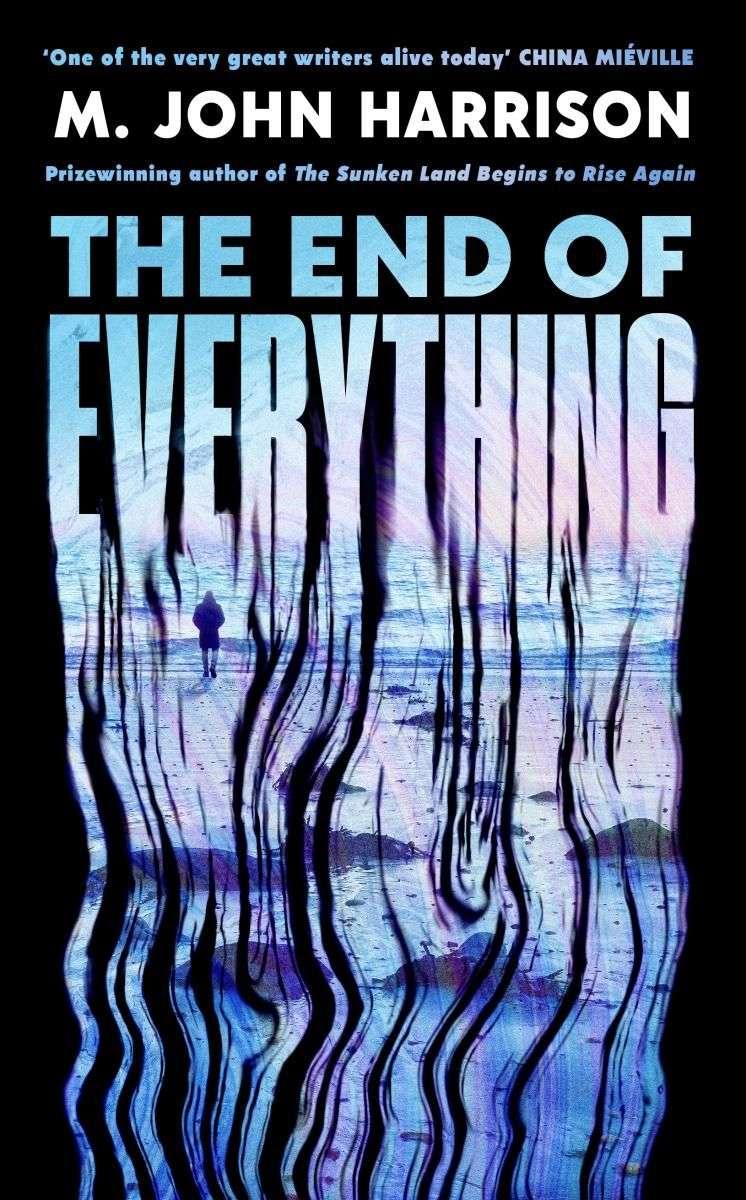
Set on the near-future coast of Kent, The End of Everything follows Phillip Tennent, a beachcomber who makes a living collecting objects washed ashore from the English Channel. He lives with his elderly aunt, Marnie, in a world still struggling to recover from a mysterious catastrophe and an invasion by shapeshifting entities known as the iGhetti.
With social structures crumbling, familiar rules losing their meaning and strange new creatures emerging, the novel examines how people attempt to make sense of a world that no longer operates according to the realities they once knew.
Through its unsettling atmosphere, dark humour and fragmented narrative, Harrison explores questions of survival, human understanding and the absurdity of trying to maintain ordinary life amid extraordinary circumstances.
Beyond the Boundaries of Literary Fiction
Harrison's Booker win is more than a personal milestone; it is a moment of recognition for a genre that has often existed at the margins of mainstream literary conversations. By bringing science fiction to the forefront of one of the literary world's most celebrated platforms, The End of Everything challenges the boundaries of what literary fiction can be. Perhaps the real takeaway is that some of the most compelling ways to understand the present lie in imagining the future.