

Parent Categories



Related Products



Related Books



The Lines Everyone Quotes: Tracing Sylvia Plath's Words Back to the Page
 Sylvia Plath's Words
Have you ever felt an emotion so heavy that a quote described it better than your own words ever could? We often experience sadness, hopelessness, grief, and a kind of silence that feels impossible to explain. Sometimes, these emotions never truly feel seen until we find them written on a page. Sylvia Plath is one of those classic writers whose words seem to recognise these feelings instinctively, carrying the same weight and intensity that we struggle to put into our own words.
October brings back memories, familiar words, and, this time, Sylvia Plath’s writing, which seems to hit differently with every passing year. As we celebrate her birth month, let’s return to the pages that gave us her words and made so many of us feel seen.
Also read: Writing Through the Darkness: Journaling Like Sylvia Plath
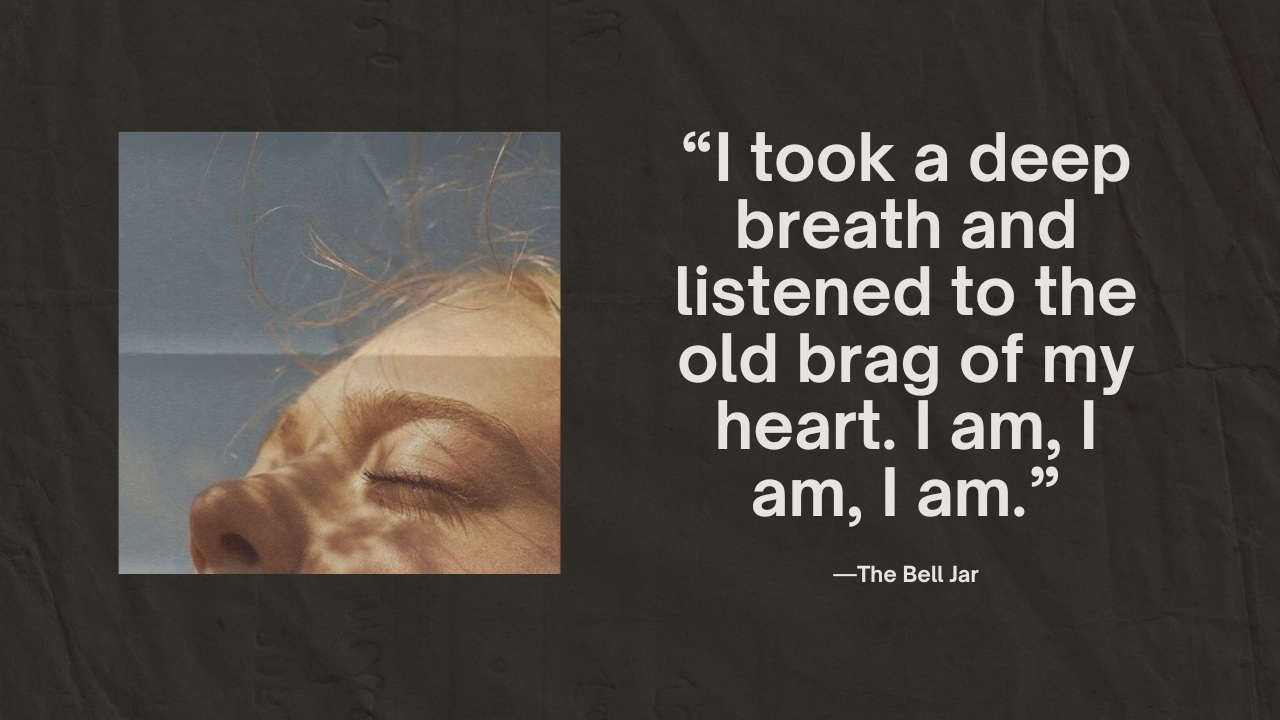
The famous final sentence of The Bell Jar brings a sense of relief that seems to melt the heaviness in the heart. It represents Esther Greenwood’s emergence from the suffocation of mental illness and the symbolic bell jar that has enclosed her world. “I am, I am, I am” traces the rhythm of a life that continues to beat after surviving its darkest phases.
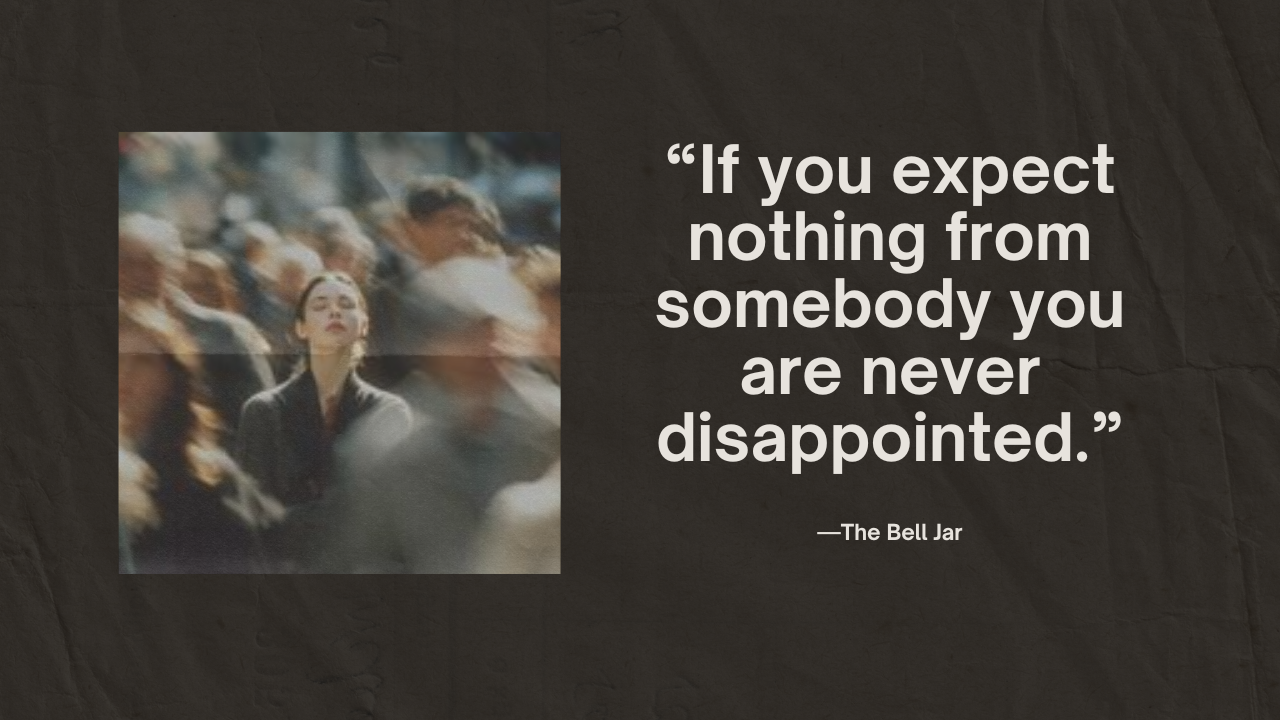
Plath’s words capture the hurt that comes when people fail to meet our expectations. These words trace back to The Bell Jar, a novel that continues to offer readers some of literature’s most poignant reflections on human emotions and relationships. Through Esther Greenwood’s observations, Plath captures a defence mechanism many of us recognise: lowering our expectations not because we no longer care, but because caring has made us vulnerable.
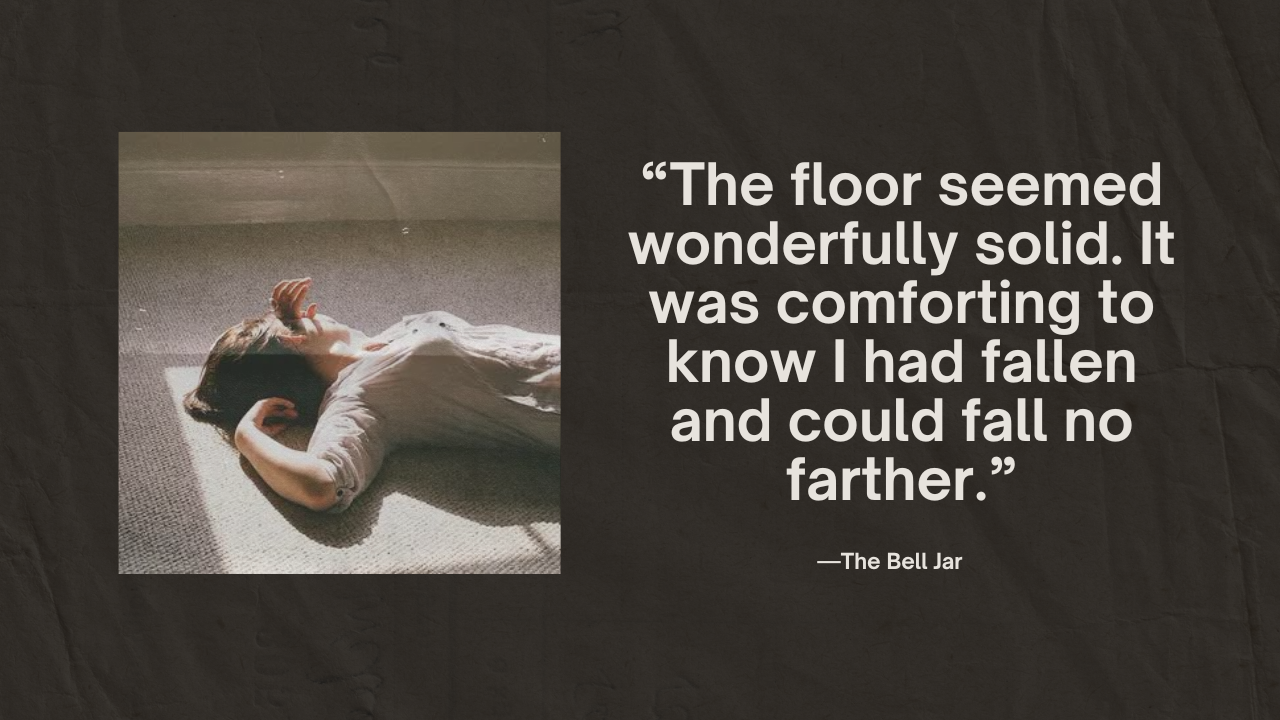
There is a strange kind of comfort in reaching rock bottom. When everything that once held us together seems to have fallen apart, there comes a moment when the uncertainty of falling is replaced by the stillness of having finally landed. Sylvia Plath captures this unsettling relief in The Bell Jar, where Esther Greenwood’s words reflect the exhaustion of someone who has endured so much that even the ground beneath her feels reassuring.
Buy here: The Bell Jar (Cappuccino Classics)
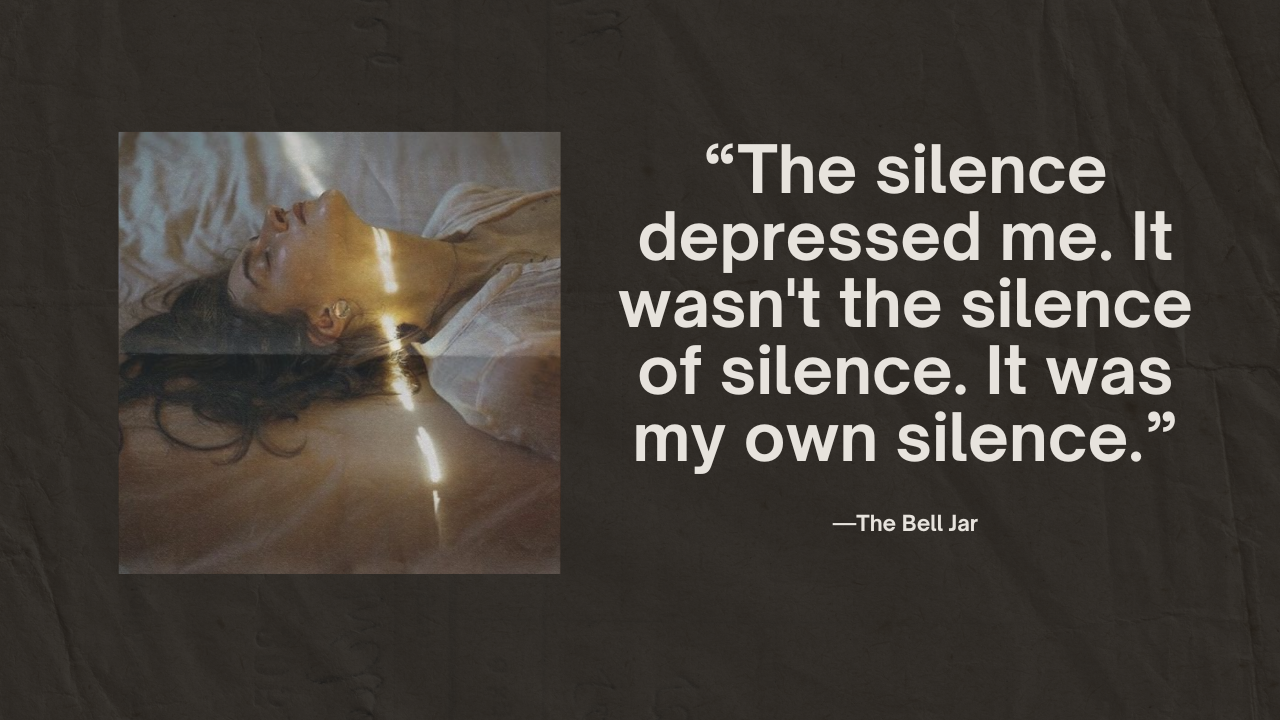
Esther Greenwood carried a silence that we all recognise all too well. It is the silence that settles inside us when our thoughts become too heavy to share, when words no longer seem enough, or when we begin to feel like strangers to our own selves.
Plath's repetition of the word “silence” makes the distinction feel almost tangible. The first silence belongs to the world; the second belongs to Esther. With that small shift, the familiar idea of loneliness becomes something more intimate—a separation between the self we carry inside and the self we manage to show others.
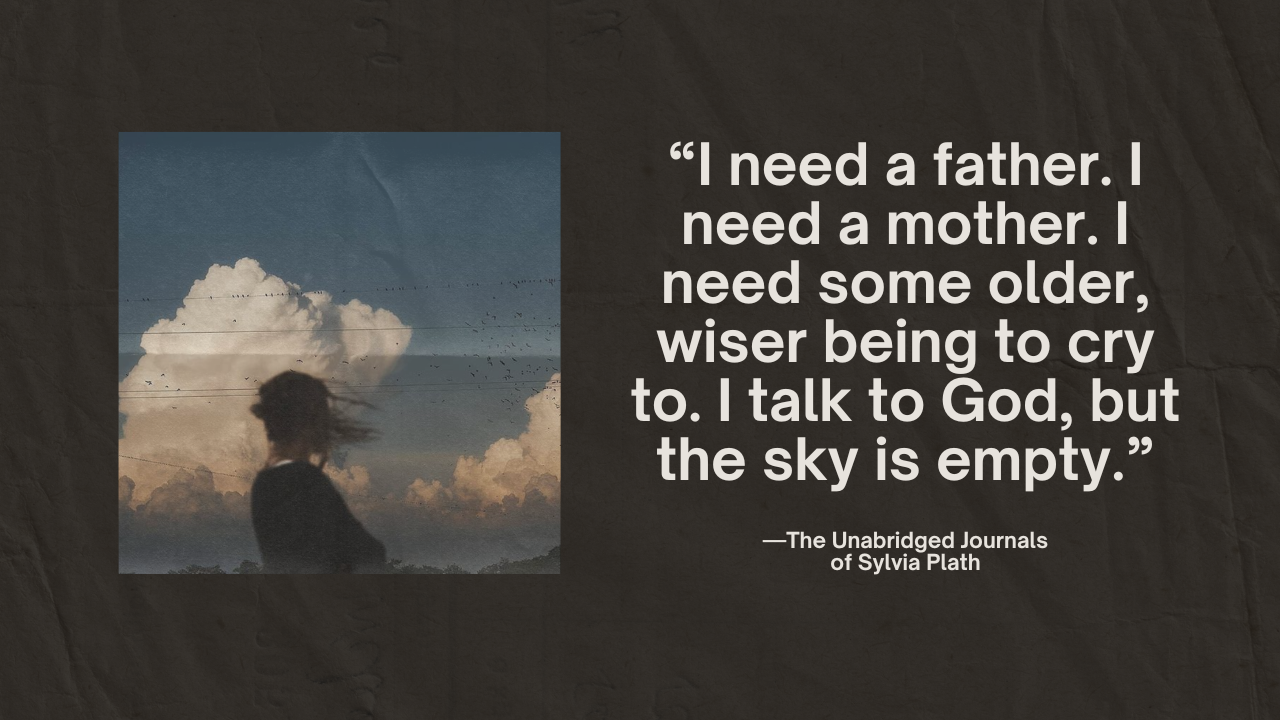
These lines from Sylvia’s journals capture the vulnerability of needing guidance when the people, beliefs, and structures we once relied upon no longer offer the reassurance we seek. The repetition of “I need” gives Esther’s words an almost childlike urgency. She longs for an older, wiser presence to offer the comfort of knowing someone understands what she cannot yet make sense of. Her desire for parental reassurance reflects a moment when independence becomes exhausting, and the need to be cared for outweighs the need to appear capable.
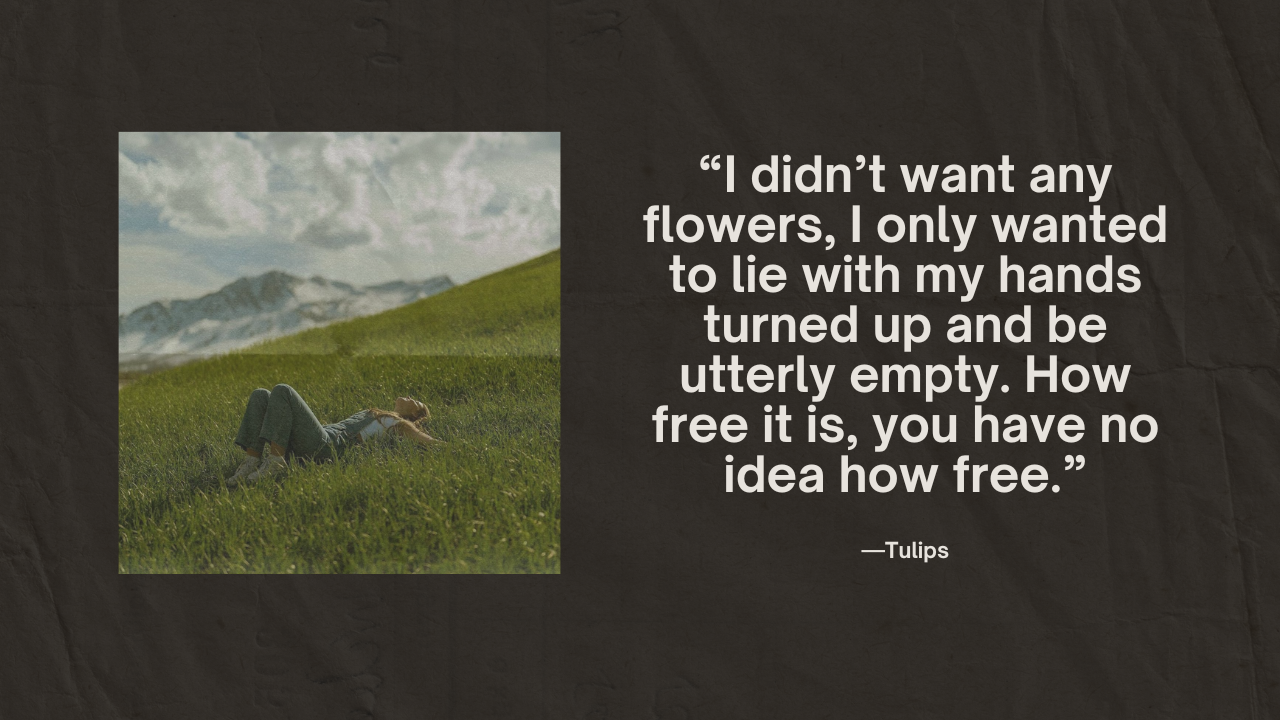
In Tulips, Sylvia Plath presents emptiness as a temporary escape from the burden of being oneself. Plath does not present this longing as a simple rejection of life, but as a desire for relief from having to participate in it. The poem leaves us with an unsettling question: when being oneself becomes exhausting, can the absence of identity feel more comforting than its presence?
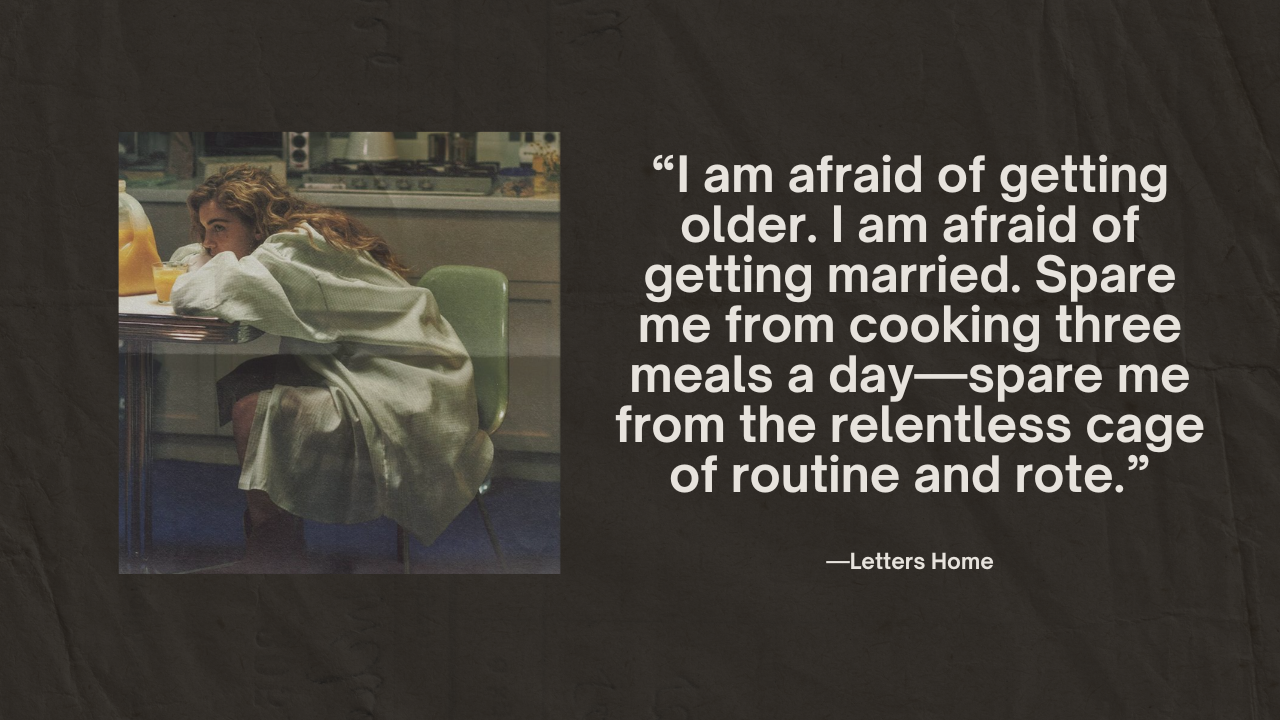
As women grow older, they find themselves surrounded by expectations: to get married, to build a home, to cook meals for someone, and to settle into a domestic routine. For most, this becomes a cage, slowly suffocating the desires they hold. Sylvia Plath resists this life in Letters Home, a collection of her correspondence with her family. Her words reveal a desire to break free from this idea of womanhood and the fear of getting older.
The Woman Behind the Beautiful Sadness
Maybe we love Sylvia Plath’s words because they say the things we don’t know how to say ourselves. The sadness we can’t explain, the expectations we’re tired of living up to, the loneliness we feel even when we’re not alone. Somehow, she put these feelings into words long before we knew how to name them ourselves.
But beyond this beautiful sadness was a writer who questioned the life she was expected to live, who had ambitions beyond the roles assigned to her, and who turned even the messiest parts of being human into literature.
So, let's keep her words close, keep reading her work, and keep her alive in the only way a writer can truly live on: through the people who continue to read, question, and find something of themselves in her words.
Your next read: 10 Lesser-Known Facts About Sylvia Plath That Reveal the Woman Behind the Poet