

Parent Categories



Related Products



Related Books
6 Times Oscar Wilde Proved He Was Ahead of His Time
 Oscar Wilde
Imagine having ideas the world isn’t ready for, challenging rules everyone else accepts, and being criticised for simply refusing to fit in. For Oscar Wilde, this was more than a hypothetical. Living in Victorian England, he questioned society’s rigid moral codes, mocked the upper classes' hypocrisy, and championed artistic freedom in an age obsessed with respectability.
From his flamboyant personal style to his unconventional views on art, identity, and society, Wilde consistently pushed against the boundaries of his time. His ideas often made him controversial, but they also secured his place as one of literature’s most distinctive voices. If he lived today, many of his opinions might feel less radical—but his instinct to question convention would still set him apart. On the occasion of his birthday, here are 10 times Oscar Wilde proved he was ahead of his time.
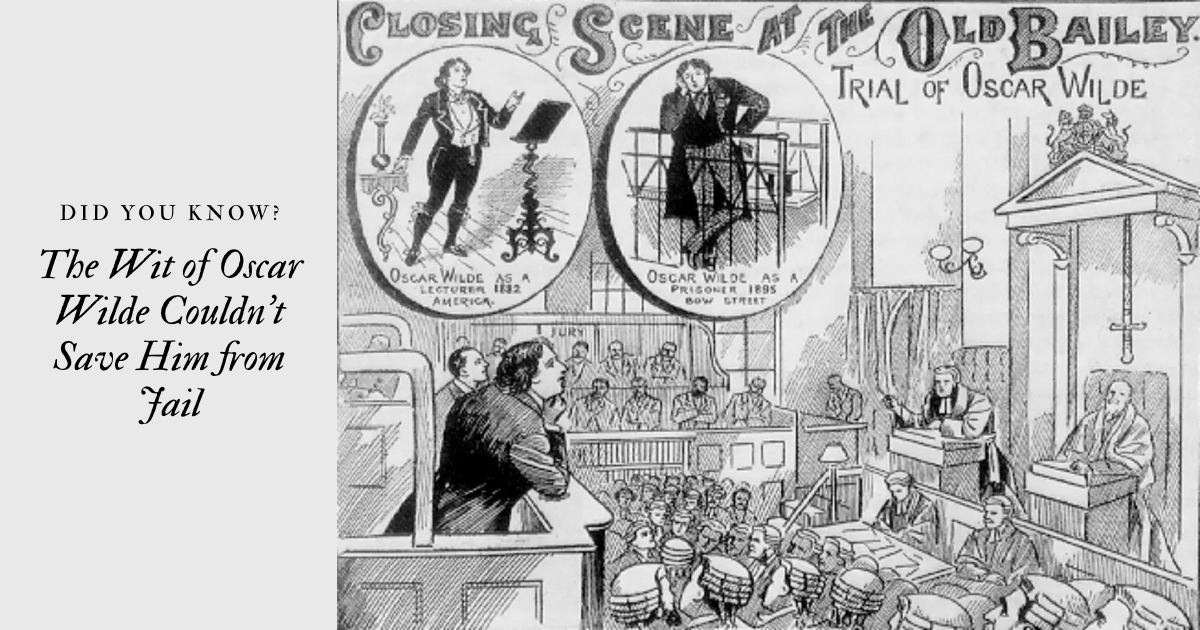
Also read: Did You Know? The Wit of Oscar Wilde Couldn’t Save Him from Jail
1. He Expressed Himself Unapologetically
 [Image Credit: British Library]
“Be yourself; everyone else is already taken.”
Wilde’s flamboyant clothing, carefully cultivated public persona, and unapologetic love of beauty challenged the Victorian era’s rigid ideas of respectable masculinity. For him, self-expression was not something to be toned down to accommodate society’s expectations; it was an art form in itself. At a time when men were expected to embody restraint, seriousness, and conventional respectability, Wilde embraced aesthetic excess and made it impossible to ignore.
2. Art for Art’s Sake
“Art is the most intense mode of individualism that the world has known.”
In a world where almost everything is expected to serve a purpose, Oscar Wilde believed that art had no obligation to justify its existence. A leading voice of the Aesthetic Movement, he championed the idea of art for art’s sake—the belief that art need not teach a moral lesson, promote a social cause, or offer any practical value to be worthy of appreciation. In the preface to The Picture of Dorian Gray, Wilde famously declared, “All art is quite useless”, challenging the Victorian belief that literature should serve as a vehicle for morality and instruction. For Wilde, beauty was reason enough.
3. He Exposed the Hypocrisy of the Upper Classes
“Never speak disrespectfully of Society, Algernon. Only people who can’t get into it do that.”
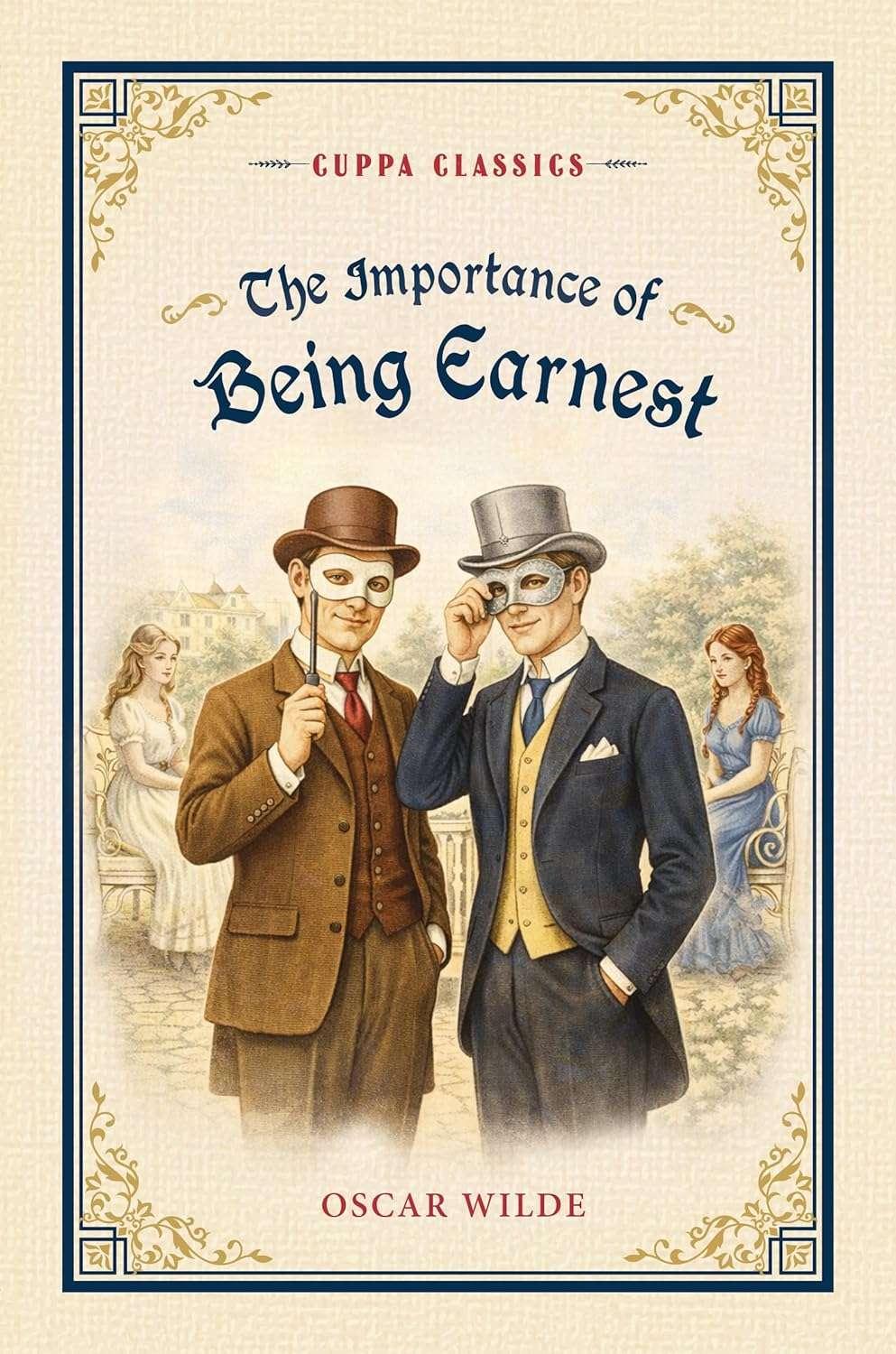
Victorian society was obsessed with respectability. A person’s reputation, social standing, and public conduct often mattered more than their actual character. Oscar Wilde saw the absurdity in it. Through plays like The Importance of Being Earnest and An Ideal Husband, he used sharp wit and biting satire to expose the double standards of the upper classes, where polished manners often concealed selfish motives, dishonesty, and carefully guarded secrets. His characters are preoccupied with marriage, money, status, and appearances, revealing a society more concerned with looking virtuous than actually being virtuous
4. He Imagined a Society That Gave Individuals Greater Freedom
“To live is the rarest thing in the world. Most people exist, that is all.”
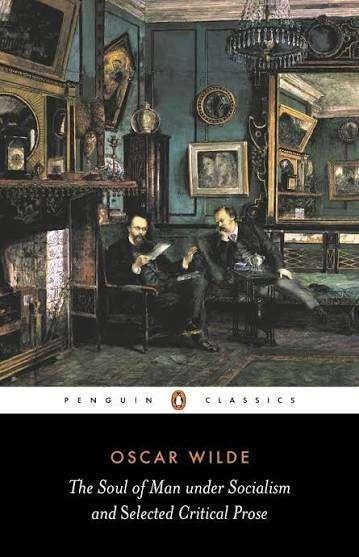
What if society were organised not around how much wealth a person could accumulate, but around how freely they could live? In The Soul of Man Under Socialism, Oscar Wilde explored the idea that a more equitable society could give individuals the freedom to develop their creativity, pursue their interests, and become who they truly wanted to be. He believed that poverty and the relentless struggle for survival left little room for individuality, forcing people to prioritise necessity over self-expression.
More than a century later, his argument raises an important question: how free are we if our lives are dictated by the need to earn, produce, and constantly prove our worth? Food for thought.
5. His Acceptance of His Sexuality

Oscar Wilde lived in a time when homosexuality was criminalised and condemned by society, yet his relationships with men became central to his life and legacy. His relationship with Lord Alfred Douglas and his subsequent prosecution in 1895 exposed the brutal consequences of a society unwilling to accept those who defied its sexual norms.
While Wilde did not publicly identify himself using modern LGBTQ+ terminology, his life challenged the rigid boundaries of Victorian sexuality. His imprisonment remains a reminder of the price he paid in a society that prioritised conformity over personal freedom. Even today, his story resonates in conversations about identity, acceptance, and the right to love without fear of violence.
6. His Expression of Hidden Queer Desire in the Picture of Dorian Gray

[Buy here: The Picture of Dorian Gray (Uncensored Pride Edition) (Cappuccino Classics)]
"There is no such thing as a moral or an immoral book. Books are well written, or badly written. That is all."
Published in 1890, The Picture of Dorian Gray explored themes of desire, obsession, and beauty in ways that pushed against the boundaries of Victorian morality. Through the intense relationship between Dorian Gray and Basil Hallward, Wilde openly wrote about forms of queer desire.
The novel’s homoerotic undertones were so controversial that his publishers edited it and censored it to make its themes more palatable to Victorian readers. Yet, even beneath these layers of censorship and subtlety, the novel retained its provocative exploration of desire that society refused to accept. In a cruel twist, the very work that pushed against society’s conventions was later used against Wilde during his 1895 trials, with its passages cited as evidence of his alleged immorality.
Was He Born in the Wrong Century?
Perhaps Oscar Wilde wasn’t born in the wrong century; perhaps the world around him simply wasn’t ready for the way he chose to live. From challenging conventional masculinity and defending artistic freedom to exposing social hypocrisy and questioning the meaning of individuality, Wilde refused to let society dictate how he should think, create, or exist. His life was not without contradictions, nor was his defiance without consequences. Yet, more than a century later, his ideas continue to resonate because the questions he raised remain relevant.
How much of ourselves do we suppress to fit in? Why must art justify its existence, and why does society so often punish those who refuse to conform? Wilde may have belonged to the Victorian era, but his spirit of rebellion feels remarkably contemporary. Perhaps being ahead of your time is not about predicting the future, but about daring to question the present.
Your next read: The Queer Subtext of Dorian Gray: Oscar Wilde’s Hidden Desire in a Victorian World